Key Features:
flowing, highly filled compound, typical applications include thermal management of heat sinks,
memory and chips, power transistors and CPUs, high thermal conductivity,
low modulus and mechanical stress, easy coating and removal with alcohol or acetone,
high temperature resistance, good high temperature cycle reliability, low oil permeability
Product Name :
NOBELPLA87455Color :
Purplish RedNote :
CustomizableSpecific Gravity :
3.5Oil Scatteration [%] :
≤1.0Typical Bond Line Thickness [μm] :
35Thermal Conductivity [W/(m-K)] :
3.0
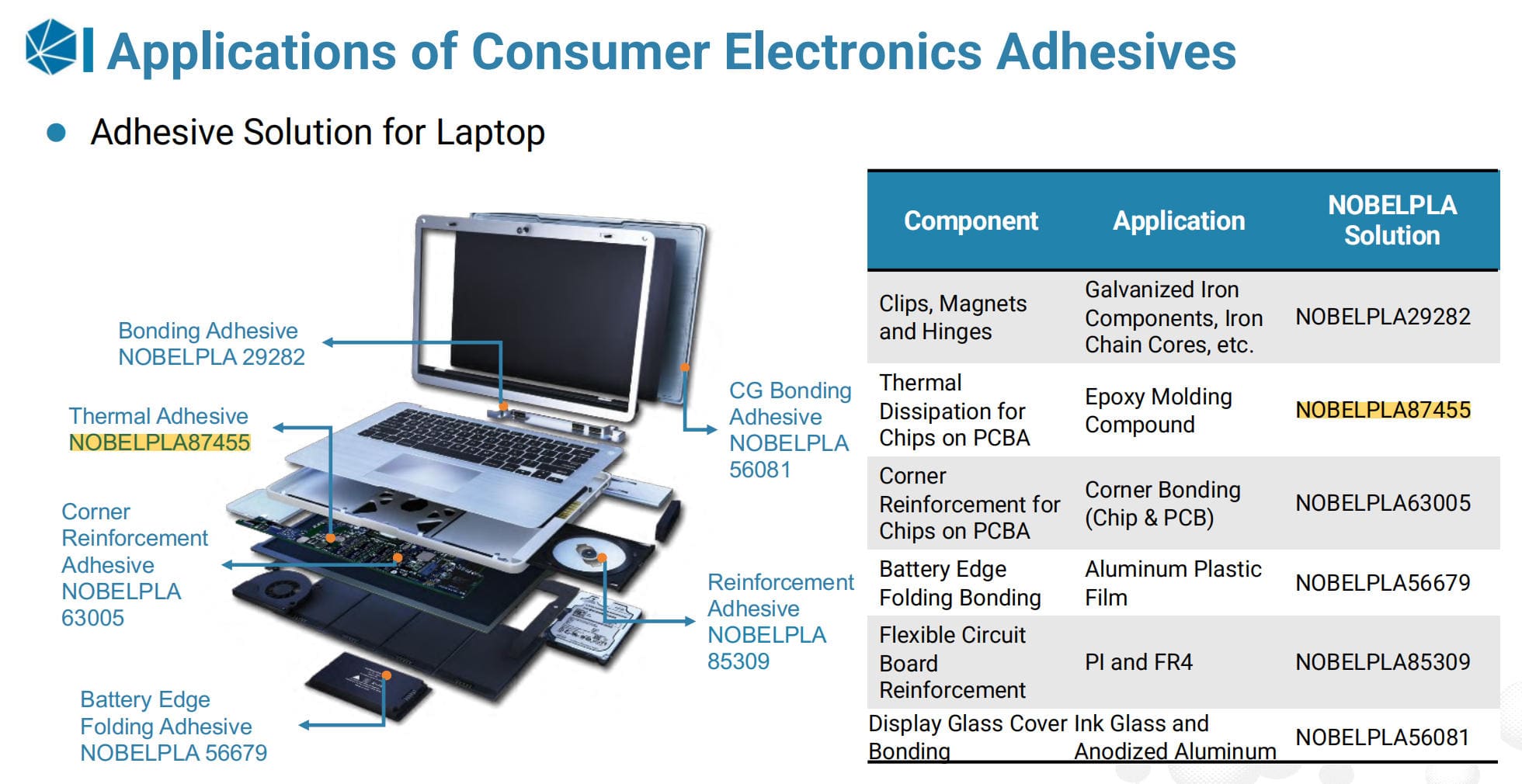
Industrial Thermal Management Adhesive for Smart Device Electronics and Heat Transfer, NOBELPLA87455
| Item | Specification / Description |
|---|---|
| Product Name | NOBELPLA87455 |
| Product Type | Thermally Conductive Adhesive |
| Application Field | Smart Home Appliances & Electronic Devices |
| Chemical Composition | Silicone-Based |
| Curing Method | Other (Non-Standard / Customized Curing System) |
| Appearance / Color | Purplish Red |
| Specific Gravity | 3.5 |
| Thermal Conductivity | 3.0 W/(m·K) |
| Typical Bond Line Thickness | 35 μm |
| Oil Bleed (Oil Separation) | ≤ 1.0% |
| Material Characteristics | Flowable, highly filled thermal compound with excellent surface wetting performance |
| Core Functions | Efficient heat transfer and thermal interface gap filling |
| Typical Applications | Heat sinks, memory modules, semiconductor chips, power transistors, CPUs, and other high-power electronic components |
| Performance Advantages | High thermal conductivity; low modulus to reduce mechanical stress; excellent high-temperature resistance; outstanding thermal cycling reliability; low oil permeability |
| Processing Features | Easy dispensing and coating; supports rework and removal using alcohol or acetone |
| Customization | Formulation and performance parameters customizable upon request |
NOBELPLA87455 is a high-performance, silicone-based thermally conductive adhesive specifically engineered for thermal management in smart home appliances and electronic assemblies. With a thermal conductivity of 3.0 W/(m·K) and low oil bleed (≤1.0%), it ensures stable long-term heat dissipation and reliability under high-temperature and thermal cycling conditions. Its low modulus design minimizes mechanical stress on sensitive components, while its flowable, highly filled formulation provides excellent interface wetting and gap-filling capability. The material also supports easy processing and rework, making it an ideal solution for heat sinks, memory modules, chips, power transistors, and CPUs.
We provide high-performance structural adhesives, thermal interface materials (TIMs), encapsulants, potting compounds, conformal coatings, UV-curable adhesives, and electrically conductive adhesives for electronic applications.
Our products serve the PCB assembly, power electronics, automotive electronics, LED modules, battery systems, industrial automation, and semiconductor manufacturing sectors.
We offer epoxy, silicone (RTV and addition-cure), polyurethane, acrylic, UV-curable, and hybrid systems optimized for performance and reliability.
A TIM is a thermally conductive material placed between heat-generating components and heat sinks to improve thermal conduction and reduce interface resistance.
Yes. Most thermal products are formulated to provide high thermal conductivity while maintaining excellent electrical insulation.
TIMs are widely used in power modules, inverters, LED lighting, CPUs, GPUs, battery packs, and other heat-intensive electronic systems.
Yes. We supply silver-filled conductive adhesives for grounding, EMI shielding, and selective electrical interconnection.
Our products support heat curing, room-temperature curing, moisture curing, UV curing, and dual-cure systems to suit varied assembly processes.
Yes. All formulations are compatible with automated dispensing, jetting, screen printing, and robotic assembly systems.
Yes. We offer low-viscosity grades that enhance flow and wetting for effective gap filling in dense electronics assemblies.
Yes. Our non-sag and thixotropic grades are ideal for vertical bonding and precision application in electronic manufacturing.
Operating temperature ranges depend on product chemistry; many products are formulated for performance in both ambient and elevated temperature conditions.
Yes. Many of our advanced formulations are designed to maintain integrity under repeated thermal cycling, reducing mechanical stress.
Yes. Flexible, low-modulus silicone and hybrid systems help mitigate stress from thermal expansion mismatches.
CTE (Coefficient of Thermal Expansion) measures how much a material expands or contracts with temperature changes. Matching CTEs in assemblies reduces mechanical stress.
Yes. We provide epoxy, silicone, and polyurethane encapsulants that shield sensitive electronics from moisture, dust, and mechanical damage.
Yes. Our flame-retardant product grades meet safety requirements for critical electronic systems.
Yes. Conformal coatings help protect PCBs and electronic assemblies from corrosion, humidity, and environmental contaminants.
Yes. Our materials comply with global environmental and safety standards such as RoHS and REACH. Certificates are available upon request.
Yes. Detailed Technical Data Sheets (TDS) and Safety Data Sheets (SDS) are available for all products to support safe and optimized use.
Yes. We implement strict lot traceability to ensure consistent quality and performance across production batches.
Yes. We offer custom material development tailored to specific performance requirements in thermal and electronic applications.
Within technical feasibility, we can adjust viscosity, working time, and curing characteristics to match manufacturing needs.
Yes. Sample requests are supported for product evaluation, testing, and prototyping.
Yes. Many of our products are designed to meet the high reliability standards needed for automotive electronics.
Yes. Our thermal and structural materials are engineered to support reliable operation in high-power and high-heat environments.
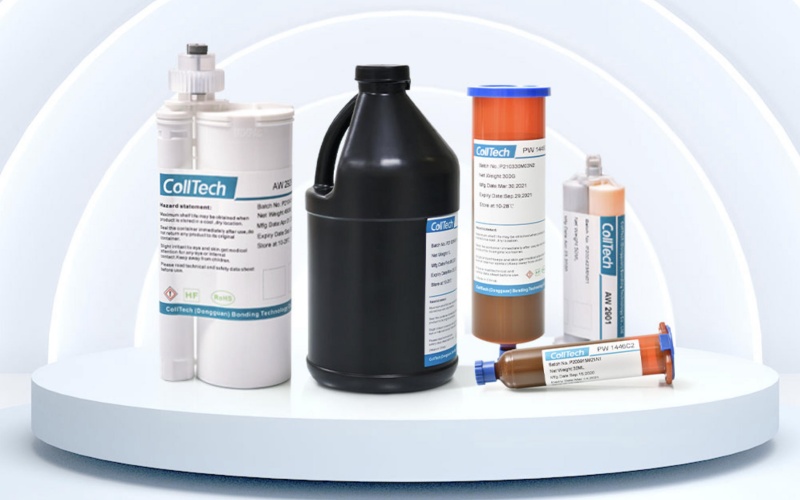
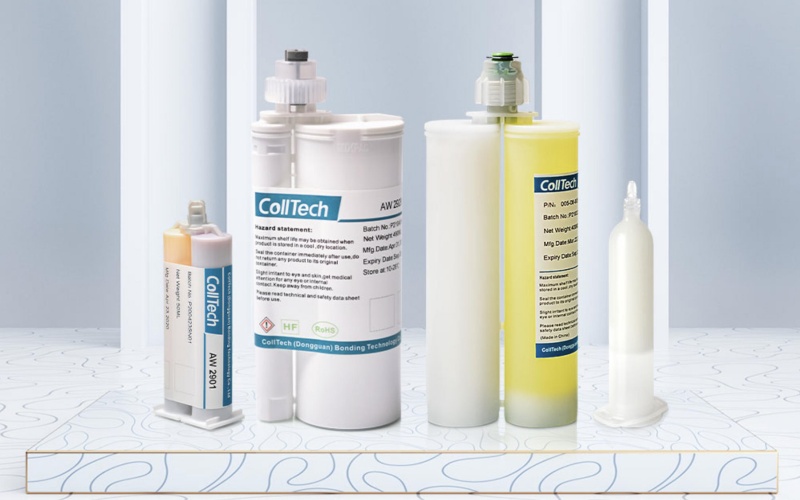
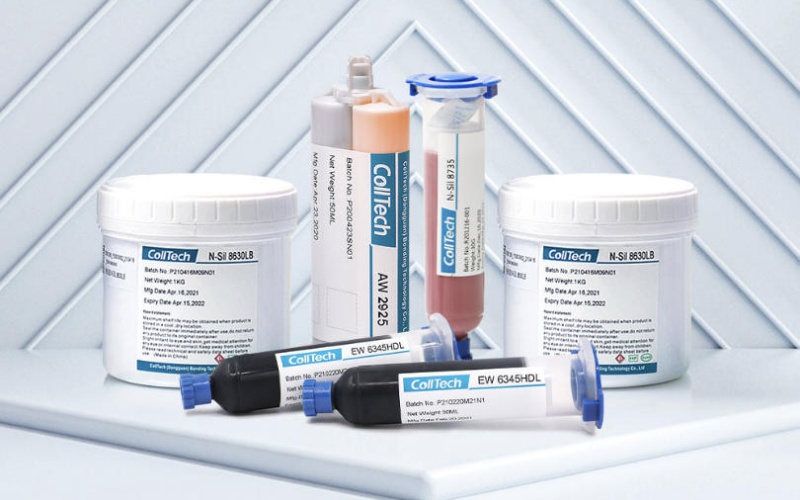
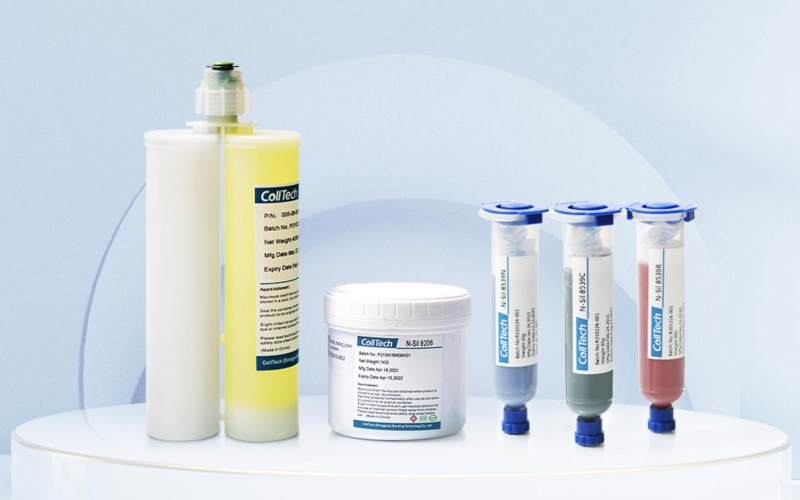
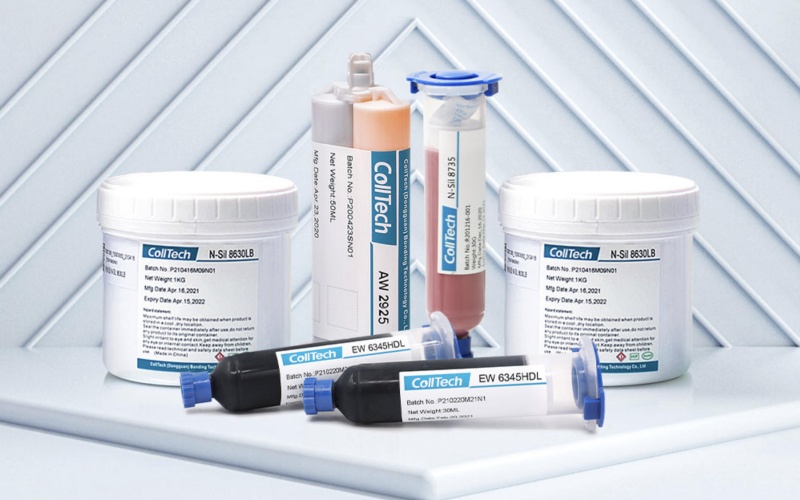
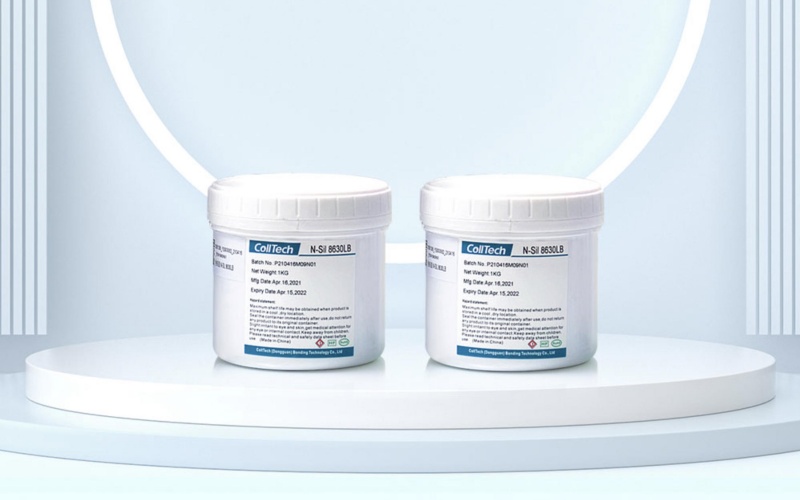
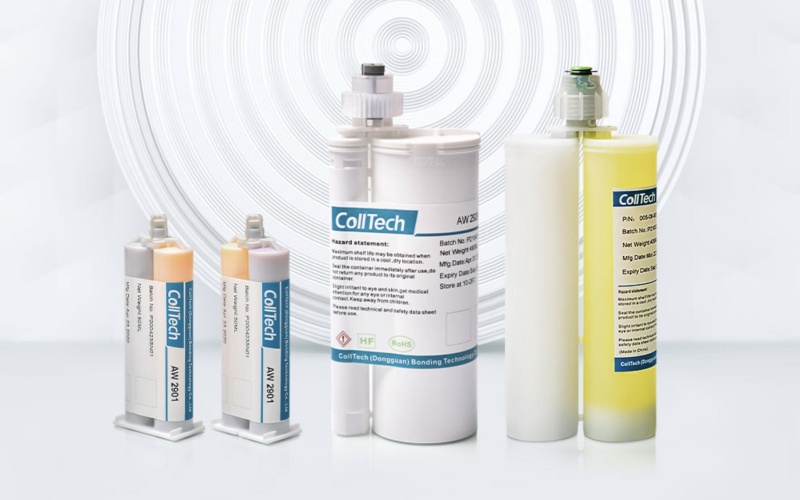
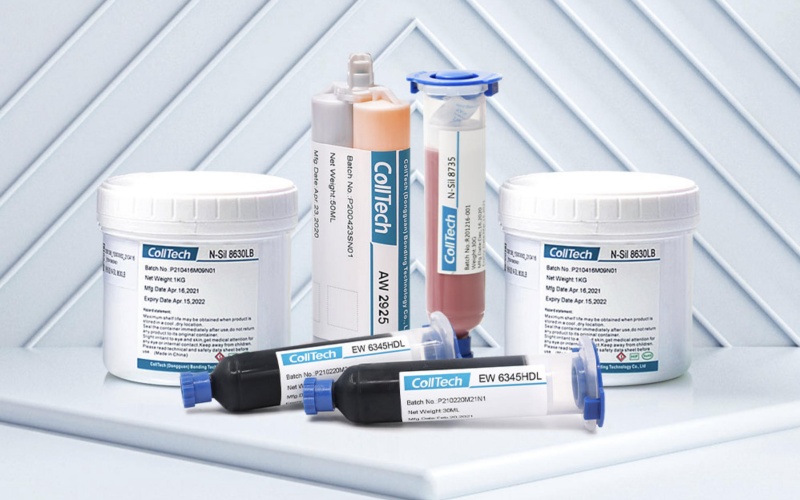
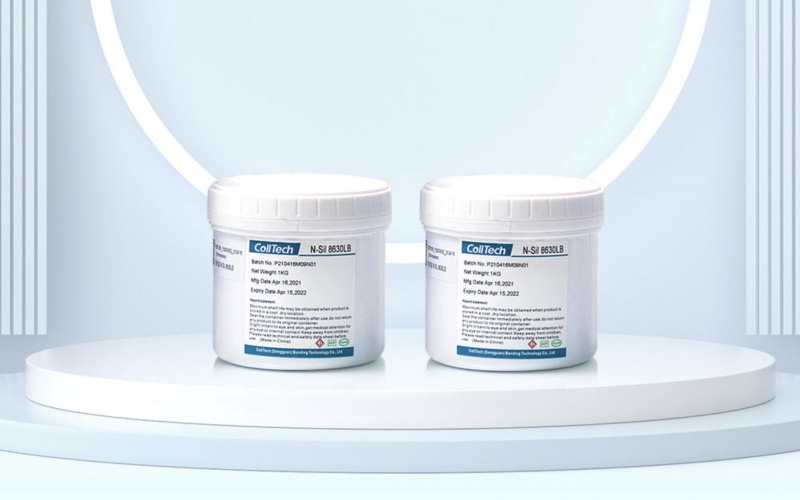
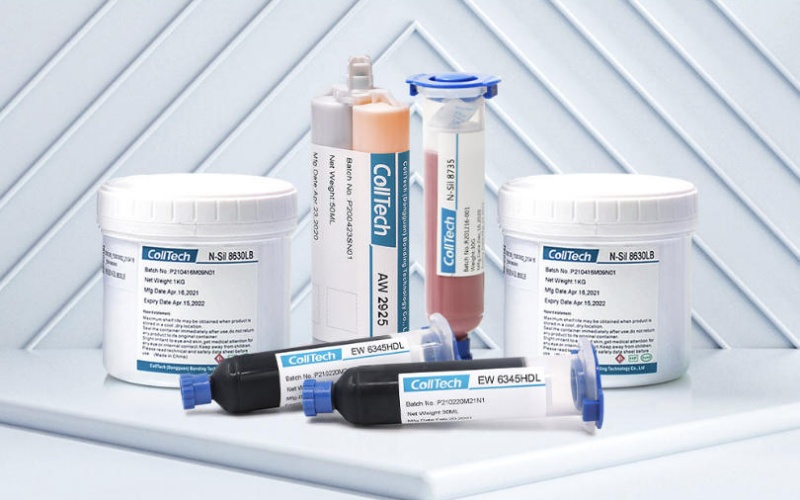
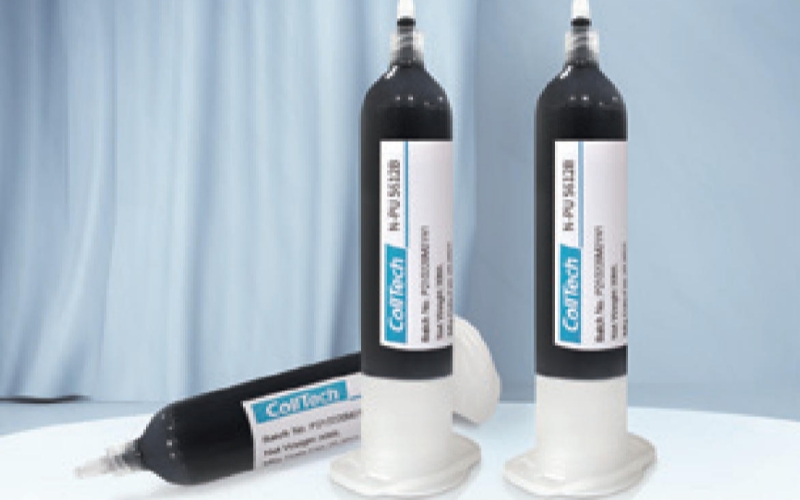
Products are available in cartridges, syringes, pails, and drums to suit laboratory testing and high-volume production.
Storage recommendations vary by product; please refer to the appropriate TDS for correct temperature and humidity conditions.
Shelf life depends on chemistry and storage conditions. Specific durations are indicated in each product’s technical documentation.
Customers can contact our sales and technical support team via the official website contact form to request quotes, samples, or application assistance.
31. How can customers request technical consultation or quotation?
Please contact us through the official website contact form at: www.colltechnobelpla.com
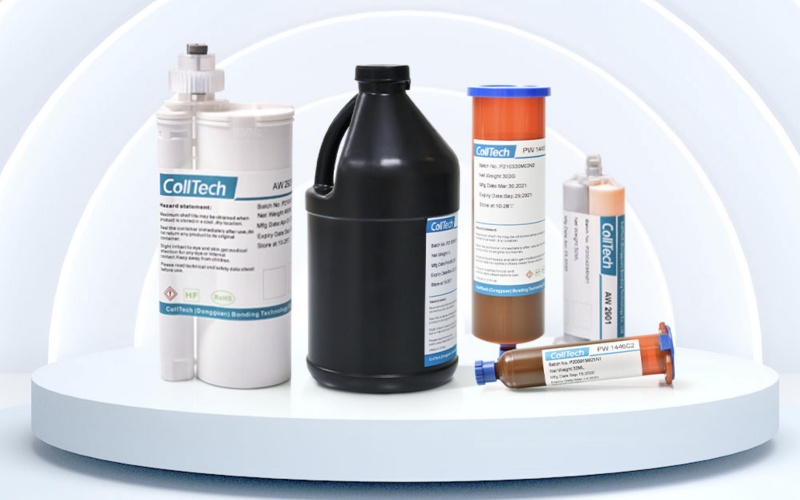
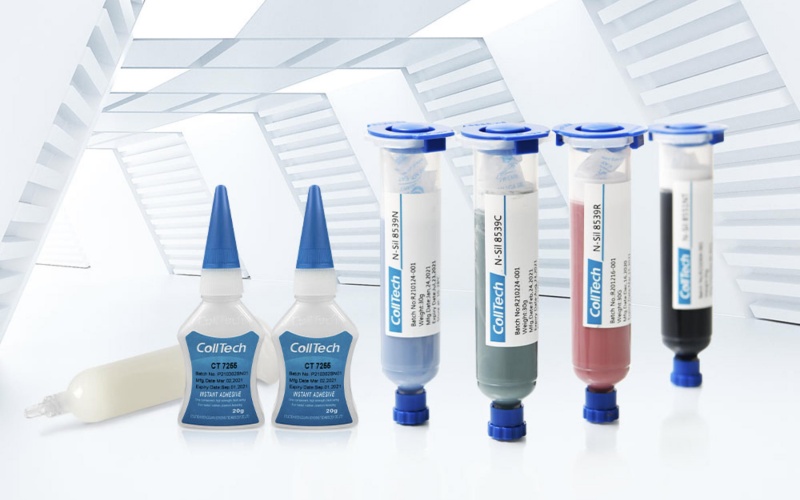
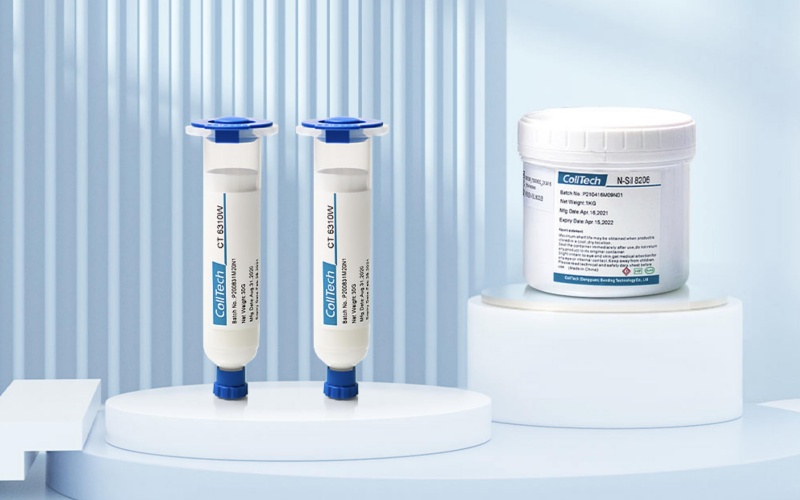
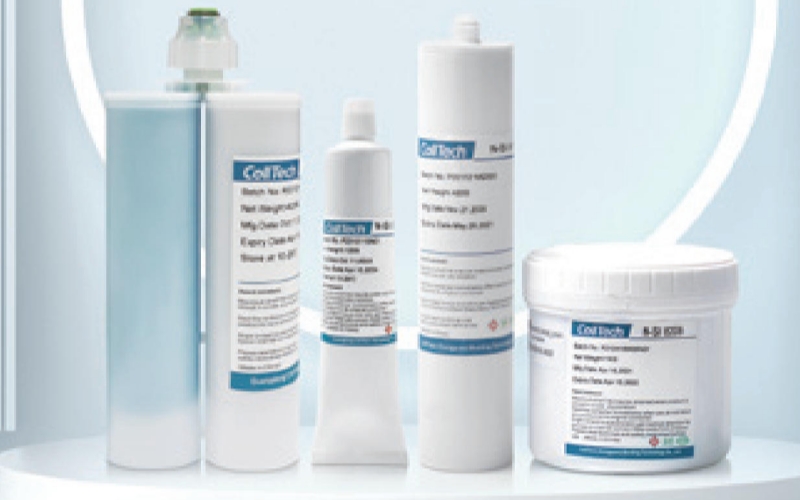

One-stop Electronic Adhesive solution provider.

Support email contact.

Professional technical guidance.

Support email contact.
leave a message
Scan to wechat :

Scan to Whatsapp :

 Product categories