Key Features:
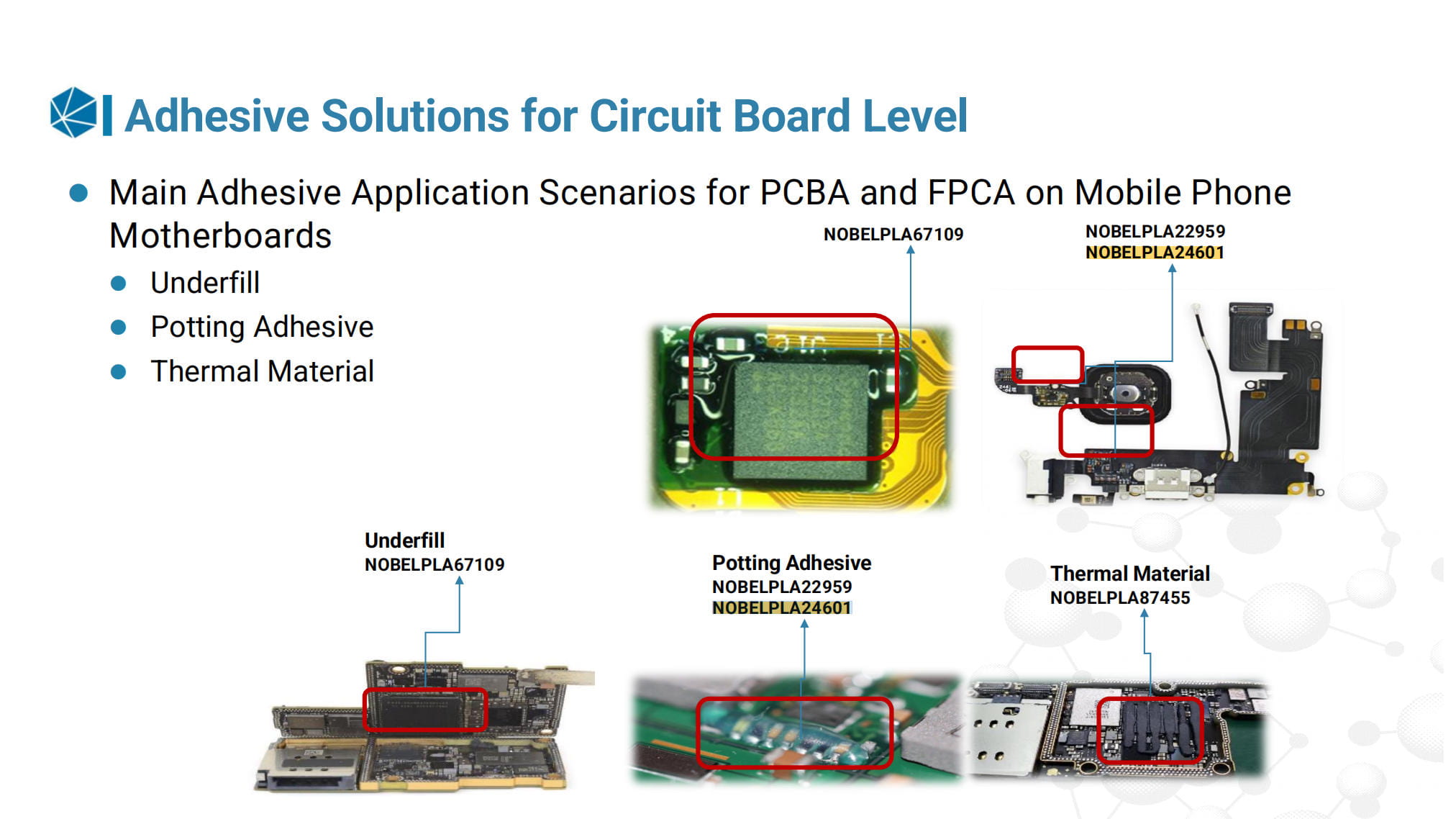
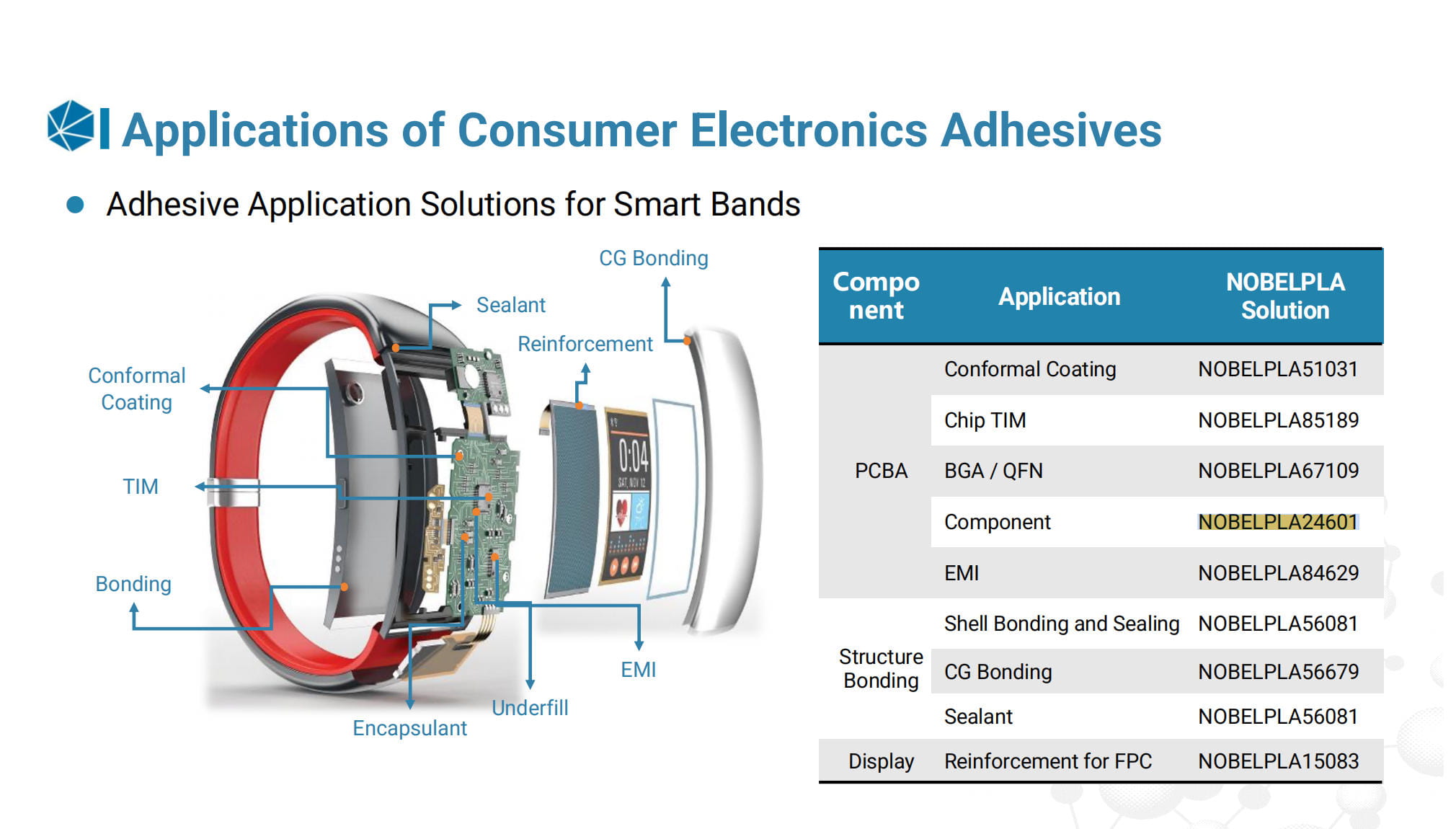
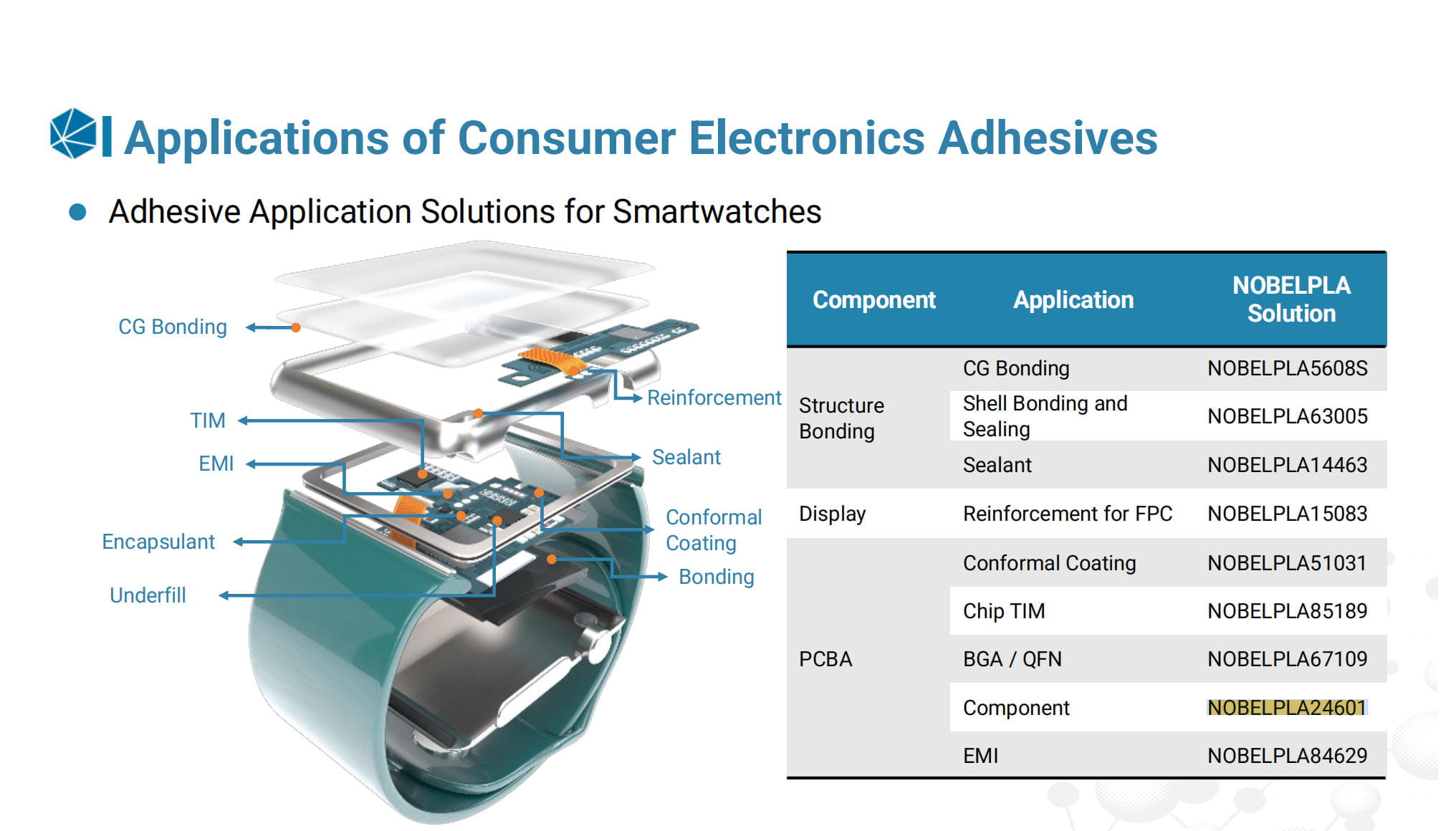
UV moisture curing acrylic for sealing, potting and bonding of plastics, glass,
metal and FR4, as well as protecting sensitive components on PCBs/FPCBs,
rapid UV curing followed by moisture curing to cover shadow parts, IBOA free
Product Name :
NOBELPLA24601Color :
RedHardness :
70 DLap Shear Strength [MPa] :
8 (PC to PC)Note :
CustomizableViscosity [mPa.s] :
12000Curing Condition :
@365nm, 100mW/cm2 for 30 secs; @RT/50%RH for 7 days
| Item | Specification / Description |
|---|---|
| Product Name | NOBELPLA24601 |
| Product Type | UV/Moisture Dual-Curable Acrylic Adhesive |
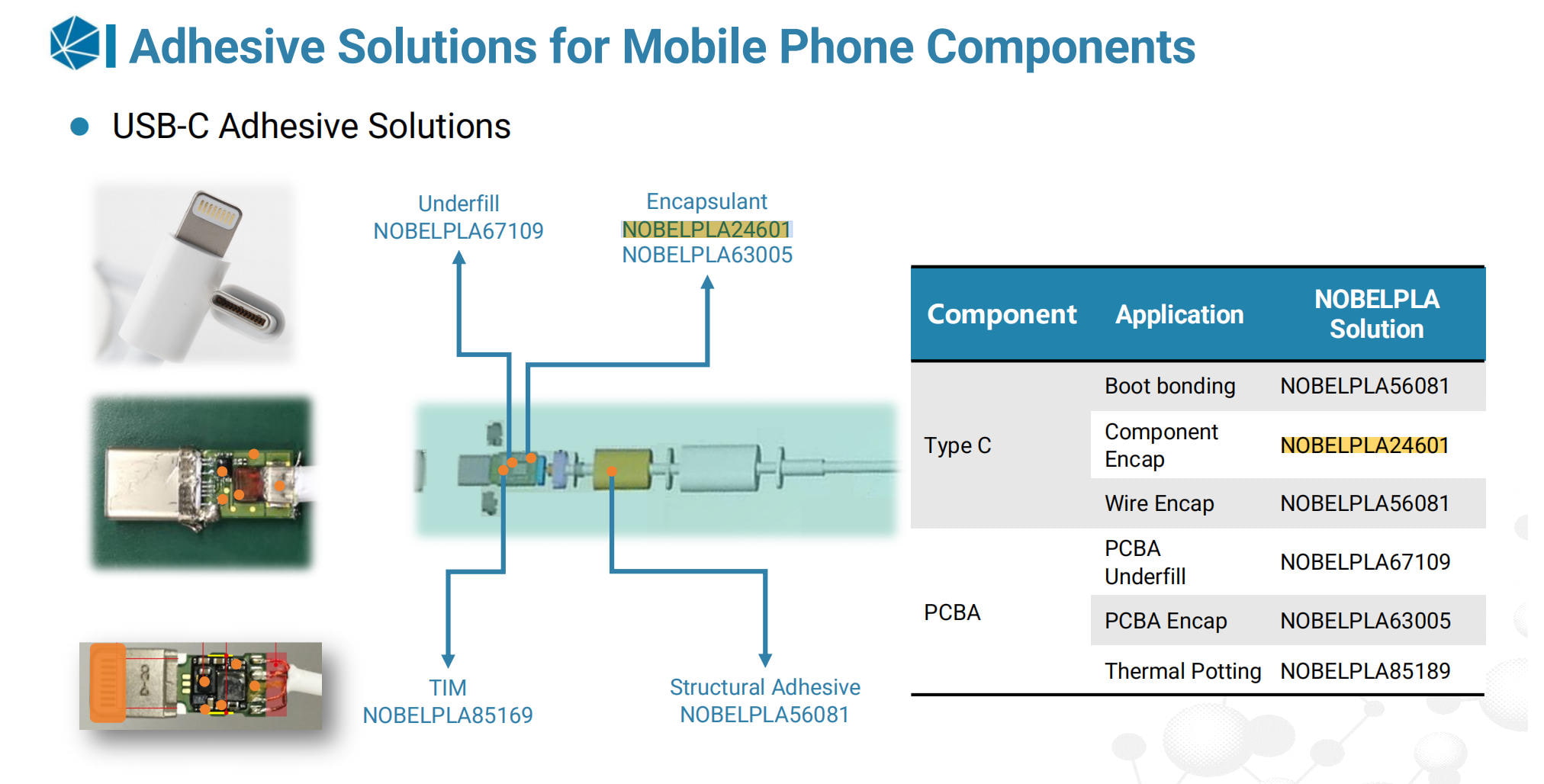
| Target Application | Sealing, potting, and bonding of plastics, glass, metal, and FR4; protection of sensitive components on PCBs/FPCBs, Type-C ports |
| Chemistry | Acrylate |
| Curing Mechanism | Rapid UV curing followed by secondary moisture curing (@RT/50% RH, 7 days) |
| UV Curing Condition | 365 nm, 100 mW/cm² for 30 seconds |
| Color | Red |
| Viscosity | 12,000 mPa·s |
| Hardness | Shore D 70 |
| Lap Shear Strength | 8 MPa (PC to PC) |
| Primary Functions | Sealing / Encapsulation; Structural Bonding |
| Environmental & Safety Features | IBOA-free formulation |
| Processability | Rapid UV curing ensures high throughput; moisture curing covers shadowed areas |
| Customization | Formulation customizable for specific adhesion and processing requirements |
NOBELPLA24601 is a high-performance, dual-curable acrylic adhesive designed for Type-C connector assemblies and sensitive PCB/FPCB protection. The material combines rapid UV curing with secondary moisture curing to ensure complete coverage, even in shadowed areas, providing robust sealing and structural bonding.
With a Shore D hardness of 70, lap shear strength of 8 MPa (PC-to-PC), and a viscosity of 12,000 mPa·s, the adhesive offers excellent adhesion to plastics, glass, metal, and FR4 substrates. The IBOA-free formulation ensures safety and environmental compliance during assembly.
Optimized for high-throughput manufacturing, NOBELPLA24601 allows precise UV in-line curing and reliable moisture-based post-curing, delivering durable protection for advanced electronic assemblies while maintaining flexibility through customizable formulations.
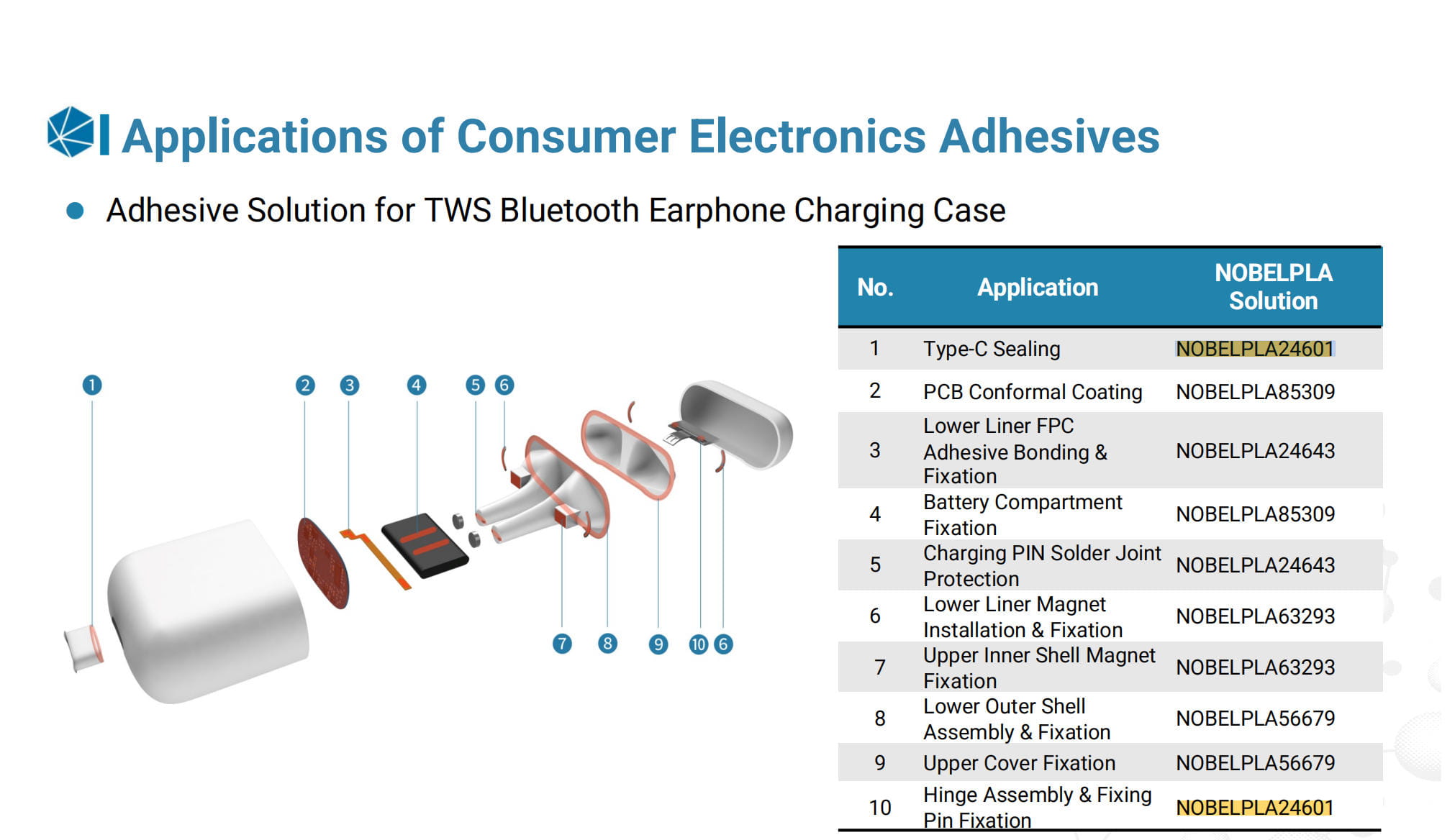
We offer structural adhesives, thermally conductive interface materials (TIMs), encapsulants, potting compounds, conformal coatings, UV-curable adhesives, and electrically conductive adhesives tailored for electronics.
Our products serve PCB assembly, power electronics, automotive electronics, LED modules, battery packs, industrial control systems, and semiconductor applications.
Our portfolio includes epoxy, silicone (RTV and addition-cure), acrylic, polyurethane, UV-curable, and hybrid polymer systems engineered for electronics reliability.
A TIM is a thermally conductive material placed between heat-generating electronic components and heat sinks to improve heat dissipation and reduce thermal resistance.
Yes — most thermal materials are engineered to provide high thermal conductivity while maintaining electrical insulation.
TIMs are used in power supplies, LED lighting, inverters, IGBT modules, battery thermal management, microprocessors, and high-power modules.
Yes — silver-filled conductive adhesives are available for EMI shielding, grounding, flexible circuit interconnections, and selective electrical bonding.
We provide heat cure, room-temperature cure, moisture cure, UV cure, and dual-cure systems to match various assembly processes.
Yes. All formulations are optimized for needle dispensing, jetting systems, screen printing, and automated robotic assembly.
Yes — low-viscosity grades improve wetting, capillary flow, and void reduction in compact electronic assemblies.
Yes — controlled rheology, non-sag, and high-thixotropy formulations are available for vertical bonding and precision applications.
Depending on chemistry, our materials are designed to perform in a wide temperature range — from ambient conditions up to elevated thermal environments.
Yes — many formulations are engineered to maintain mechanical and electrical stability under repeated thermal cycling conditions.
Yes — flexible silicone and hybrid systems are designed to reduce stress caused by differential thermal expansion.
CTE determines how much a material expands or contracts with temperature changes. Matching CTE with substrates reduces stress and improves reliability.
Yes — epoxy, silicone, and polyurethane encapsulants protect electronics from moisture, vibration, dust, and chemical exposure.
Yes — selected formulations meet flame-retardant requirements for safety-critical electronic systems.
Yes — conformal coatings are available to protect PCBs against humidity, corrosion, and environmental contaminants.
Yes — our products comply with global regulatory standards including RoHS and REACH. Documentation is available upon request.
Common parameters include thermal conductivity, dielectric strength, volume resistivity, modulus, glass transition temperature (Tg), viscosity, and aging stability.
Yes — complete Technical Data Sheets (TDS) and Safety Data Sheets (SDS) are provided for all products.
Yes — full production lot traceability ensures consistent material quality and manufacturing reproducibility.
Yes — we offer tailored material development based on thermal, mechanical, electrical, and process performance requirements.
Within technical feasibility, viscosity, working time, and curing characteristics can be optimized for specific manufacturing conditions.
Yes — engineering support is provided during sample evaluation, prototype testing, and pilot production stages.
Yes — our formulations are engineered to withstand vibration, humidity, thermal cycling, and harsh automotive environments.
Yes — thermal interface and bonding solutions are designed for efficient heat dissipation in high-power and high-density modules.
Products are available in cartridges, syringes, pails, and drums to support R&D, pilot runs, and high-volume production.
Shelf life varies by product; detailed storage and expiration information is provided in the Technical Data Sheet (TDS).
Customers can contact our sales and engineering team through the official website to request samples, quotations, and application support.
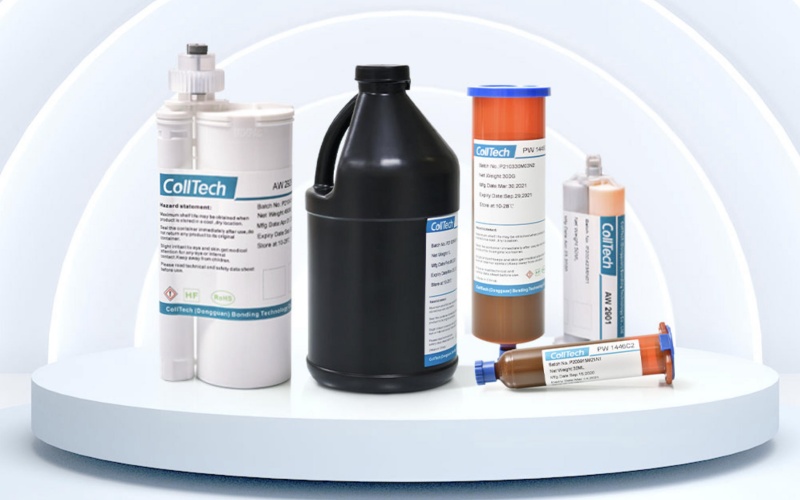
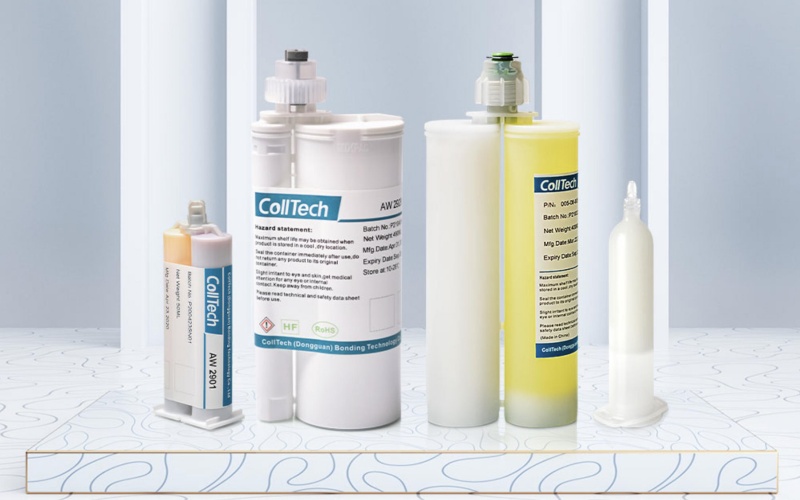
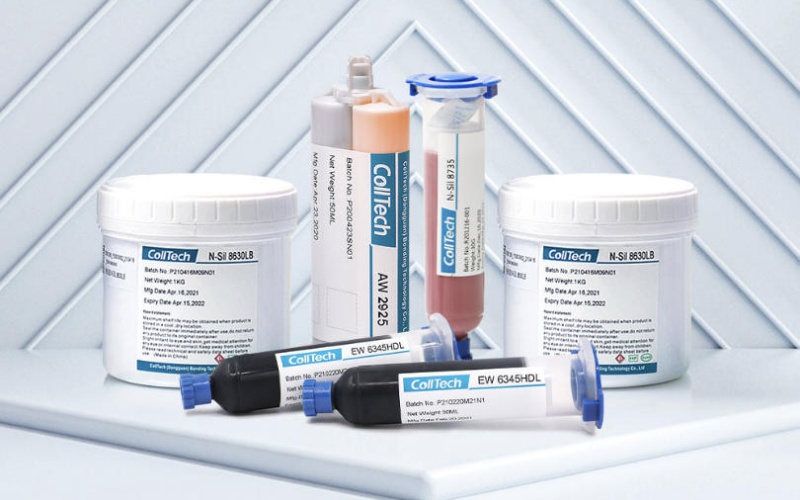
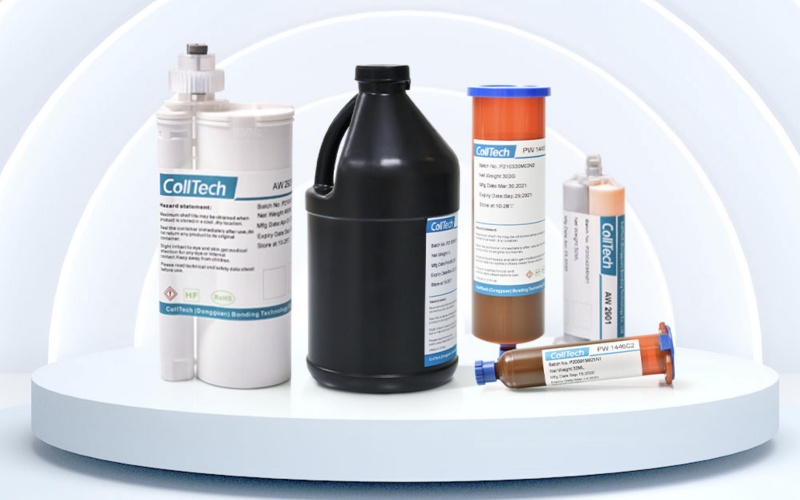
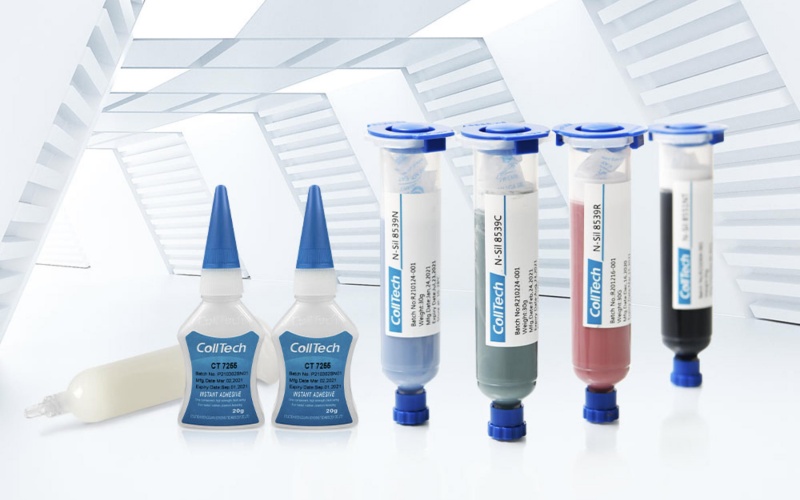
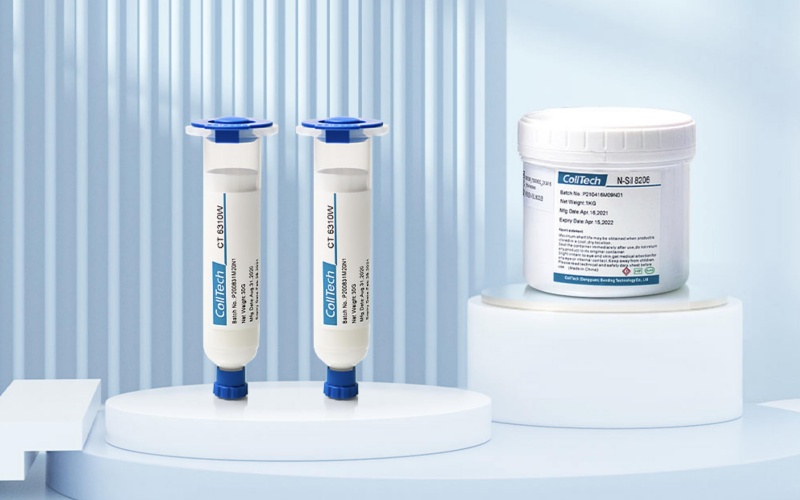
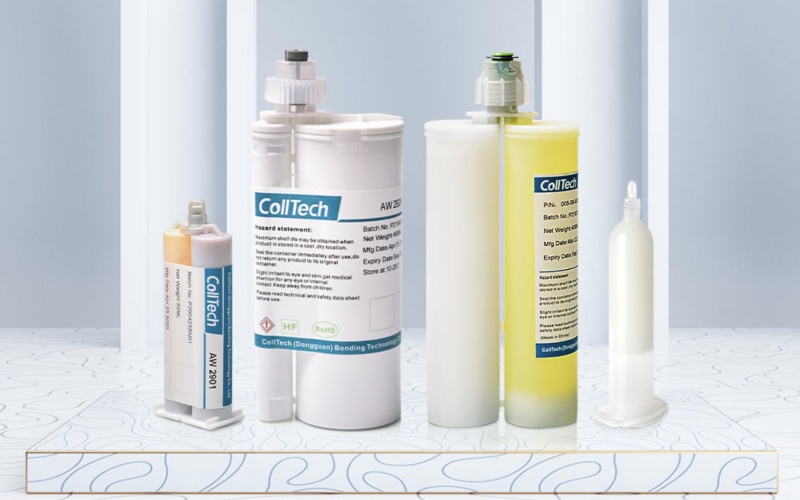
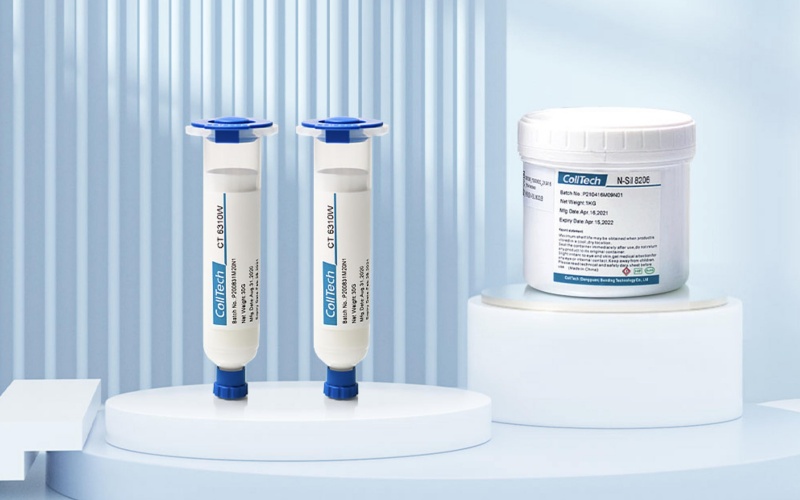
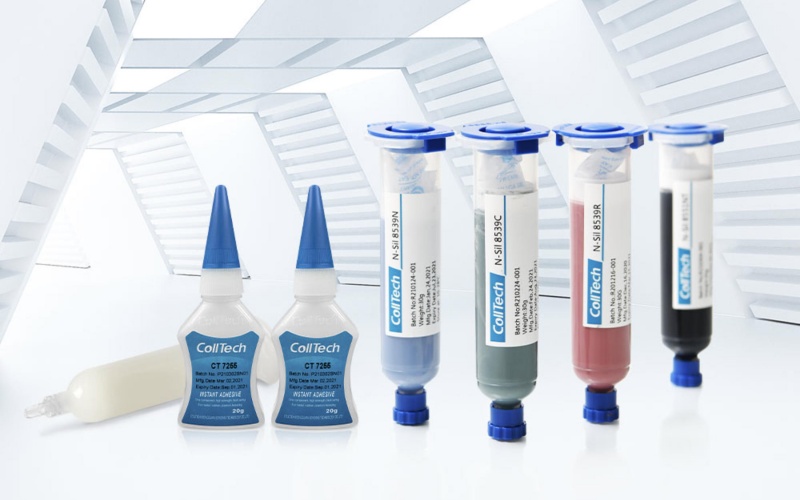
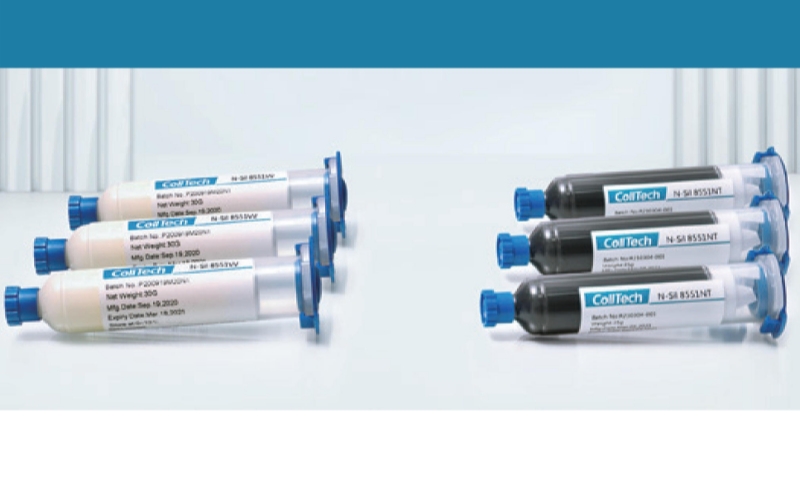
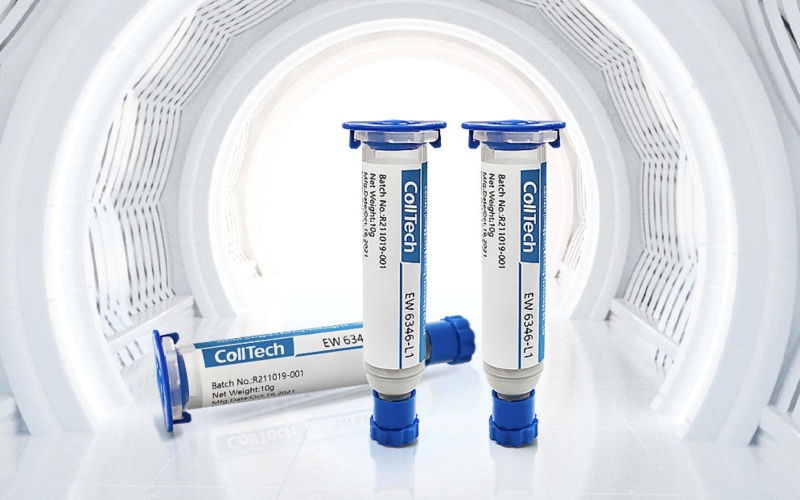

One-stop Electronic Adhesive solution provider.

Support email contact.

Professional technical guidance.

Support email contact.
leave a message
Scan to wechat :

Scan to Whatsapp :

 Product categories