Key Features:
Ultraviolet photothermal curing acrylic is used for sealing and bonding aluminum on a variety of materials,
excellent moisture resistance, environmental aging, temperature punching and high and low temperature
cycle performance, high SIR and low Dk/Df, thixotropic performance and controllable fluidity.
Product Name :
NOBELPLA22959Color :
Light blueHardness :
65 ALap Shear Strength [MPa] :
15(PC to PC)Note :
CustomizableViscosity [mPa.s] :
14000Curing Condition :
@365nm, 100mW/cm2 for 20 secs; @130°C for 15 mins
| Category | Description |
|---|---|
| Product Name | NOBELPLA22959 |
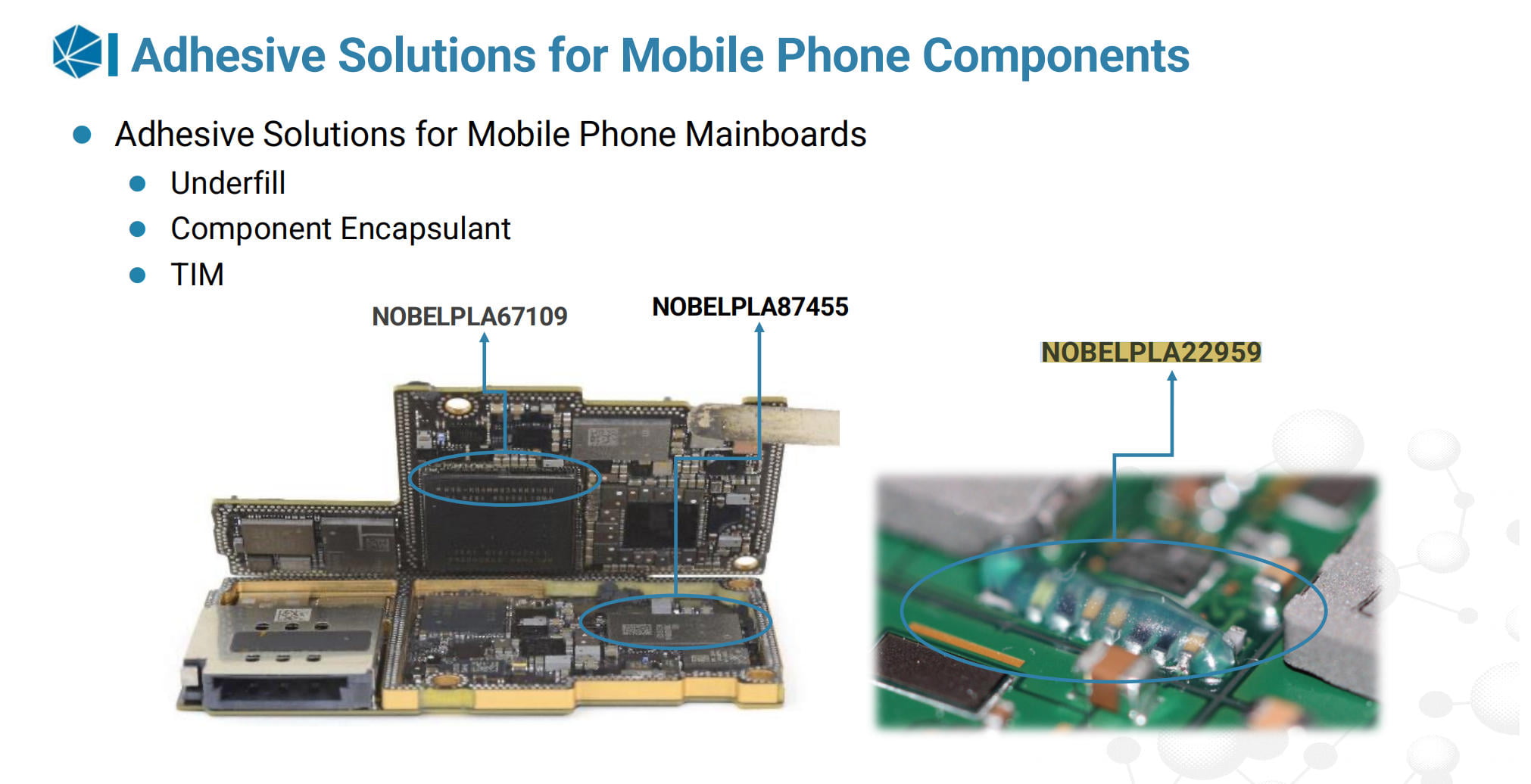
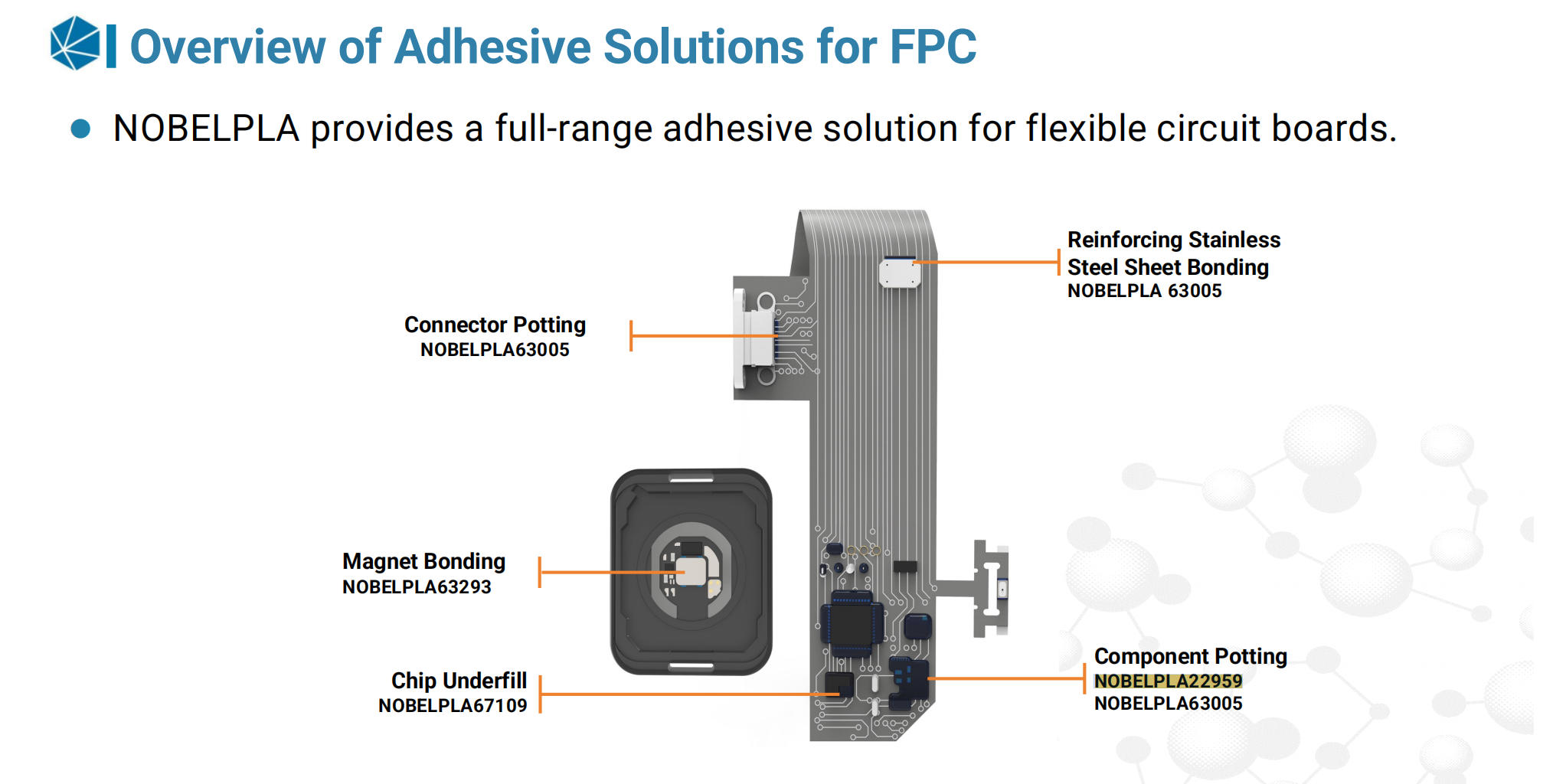
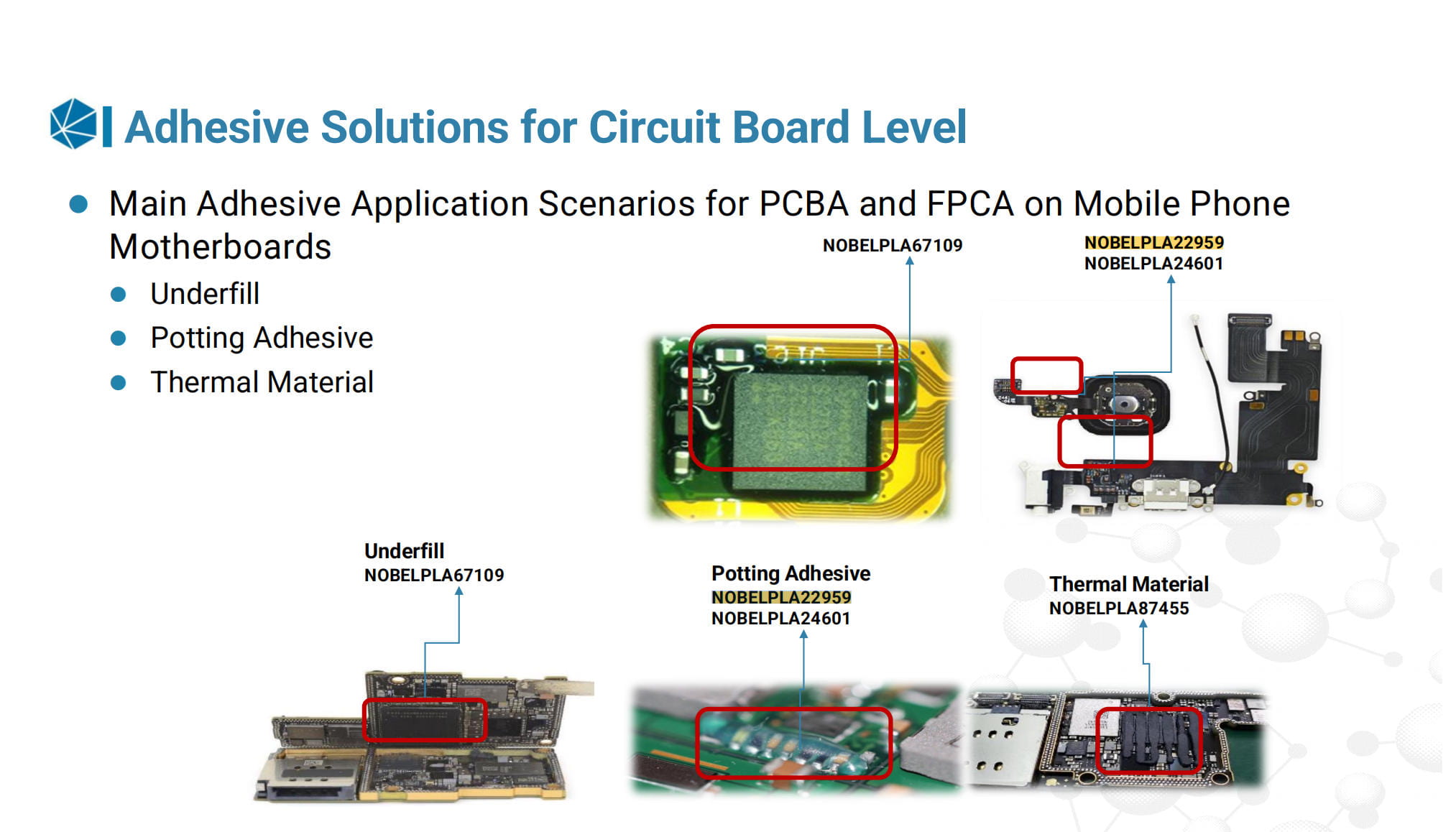
| Application | Sealing and bonding for aluminum and flexible PCBs (FPCBs) in mobile phone assemblies |
| Functions | Sealing / Encapsulation |
| Curing Method | UV Curing + Thermal Curing |
| Chemistry | Acrylate |
| Adhesive Type | UV/thermal dual-cure acrylic adhesive |
| Color | Light Blue |
| Viscosity | 14,000 mPa·s |
| Curing Condition | UV @ 365 nm, 100 mW/cm², 20 s; thermal cure @ 130 °C for 15 min |
| Hardness | Shore A 65 |
| Tensile Strength | 15 MPa (PC to PC) |
| Key Performance Features | Excellent moisture resistance; strong resistance to environmental aging and thermal shock; stable performance under high/low temperature cycling; high SIR and low dielectric constant (Dk) / dissipation factor (Df); thixotropic behavior with controlled flow |
| Substrate Compatibility | Aluminum, PC, and various flexible electronic substrates |
| Customization | Formulation and specifications available upon request |
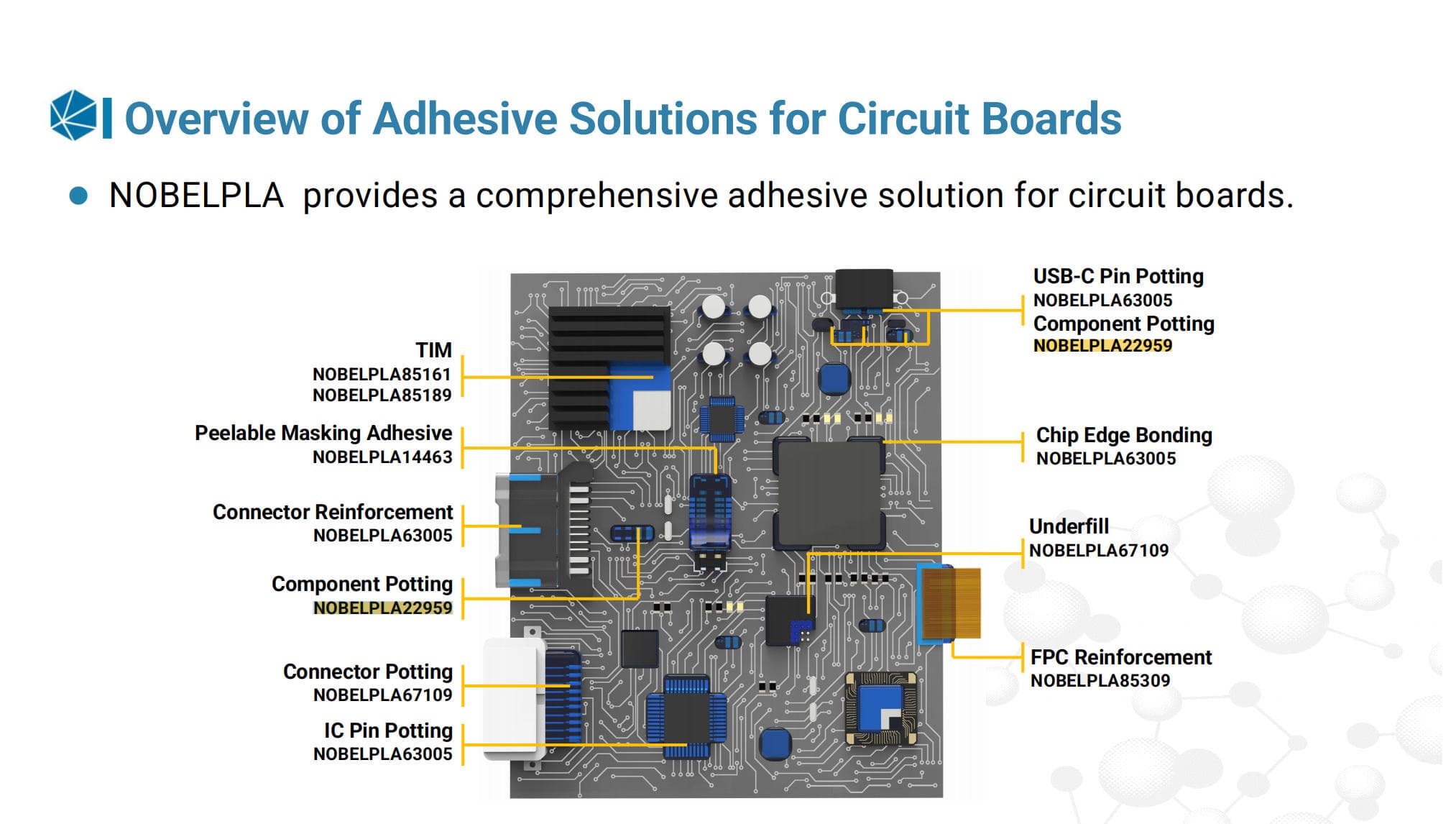
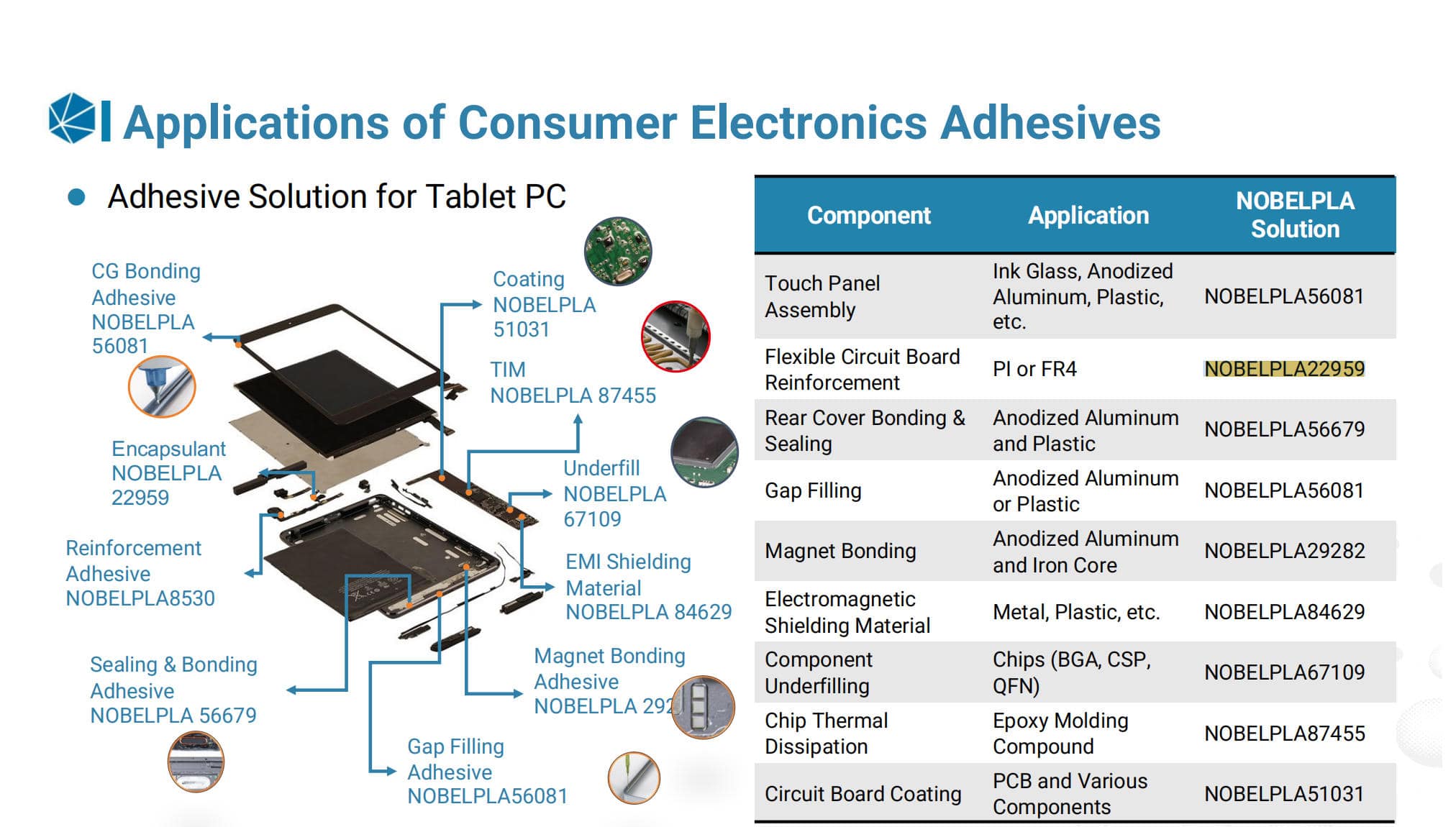
We provide high-performance electronic adhesives including structural bonding systems, thermally conductive materials (TIMs), encapsulants, potting compounds, UV-curable adhesives, and electrically conductive formulations.
Our solutions are widely used in PCB assembly, power electronics, LED modules, battery systems, automotive electronics, industrial automation, and semiconductor-related applications.
We offer epoxy, silicone (RTV and addition-cure), acrylic, polyurethane, UV-curable, and hybrid polymer systems engineered for electronic reliability.
Yes. Our thermally conductive materials are designed to enhance heat dissipation while maintaining electrical insulation in high-power assemblies.
TIMs are commonly used in IGBT modules, inverters, power supplies, LED lighting systems, battery packs, and heat sink bonding applications.
Most structural and thermal adhesives are electrically insulating with high dielectric strength, unless specifically formulated as conductive systems.
Yes. Silver-filled conductive adhesives are available for EMI shielding, grounding, and selective circuit bonding.
We provide heat-cure, room-temperature cure, moisture cure, UV cure, and dual-cure systems (UV + heat or UV + moisture).
Yes. UV systems enable rapid curing and are ideal for automated precision electronics assembly.
Yes. Epoxy, silicone, and polyurethane encapsulants are available for environmental protection and mechanical reinforcement.
Yes. Our materials are optimized for needle dispensing, jetting equipment, and robotic production lines.
Yes. Low-viscosity formulations are designed to reduce air entrapment and improve penetration in dense assemblies.
Selected formulations meet flame-retardant requirements for safety-critical electronic applications.
Depending on the formulation, materials are engineered for both standard and elevated temperature environments typical in electronic systems.
Yes. We offer materials designed to withstand vibration, humidity, and thermal cycling common in automotive applications.
Yes. Flexible silicone systems help minimize mechanical stress on delicate components.
Yes. Low coefficient of thermal expansion (CTE) materials are available to reduce thermo-mechanical mismatch.
Yes. Many formulations are engineered for long-term reliability under repeated thermal cycling conditions.
Yes. Protective coatings are available to shield PCBs from moisture, dust, and corrosion.
Yes. Compliance documentation is available upon request.
Yes. Comprehensive technical and safety documentation is provided for all standard products.
Yes. All materials are traceable by batch number to ensure consistent quality.
Yes. Tailored formulations can be developed based on specific performance and processing requirements.
Within technical feasibility, viscosity, working time, and curing speed can be optimized to match production processes.
Yes. Technical support is available during prototype evaluation and mass production ramp-up.
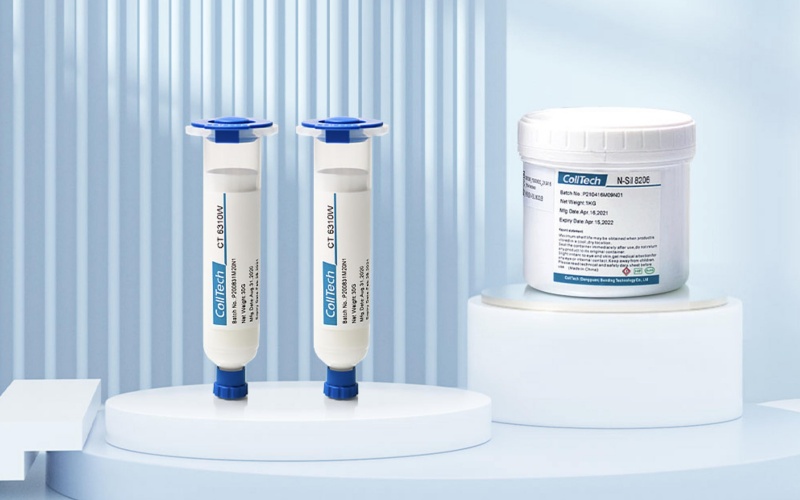
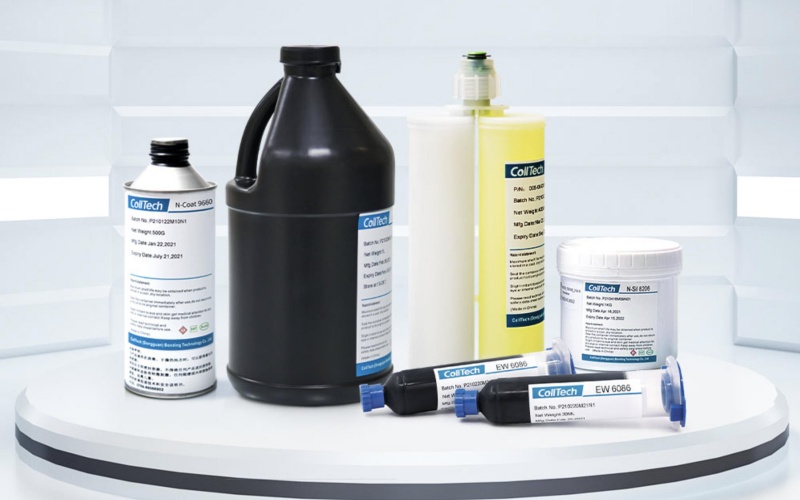
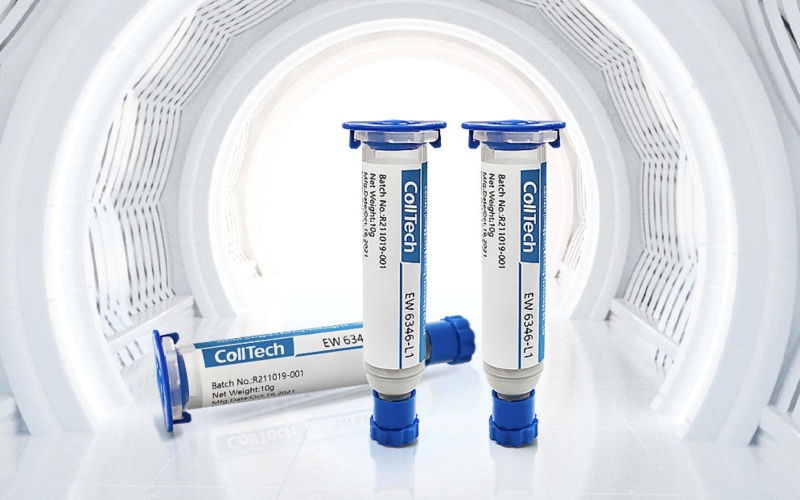
Products are supplied in syringes, cartridges, pails, and drums to accommodate different manufacturing scales.
Shelf life depends on product chemistry. Please refer to the specific TDS for storage recommendations.
Yes. International shipping and export documentation support are available.
Yes. We offer structured supply programs for strategic and high-volume customers.
Please contact our sales and engineering team through the official website contact page for prompt assistance.
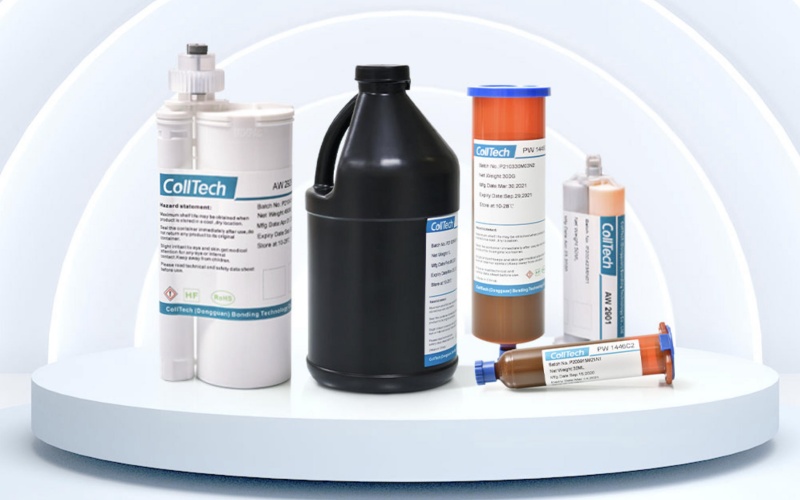
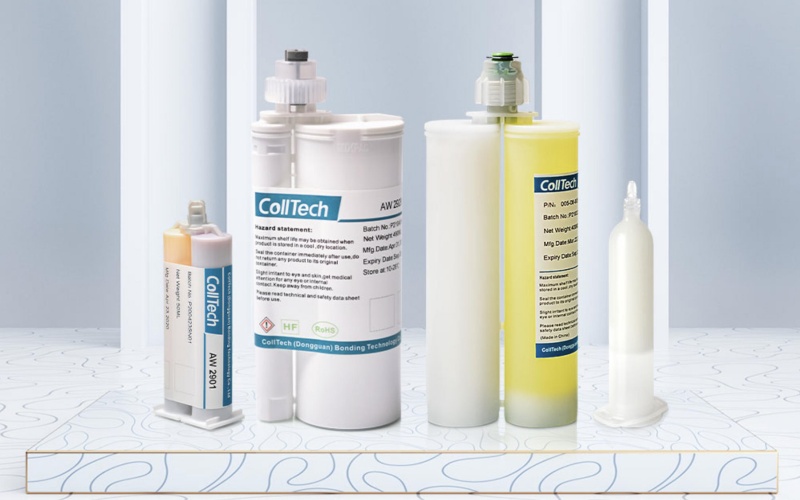
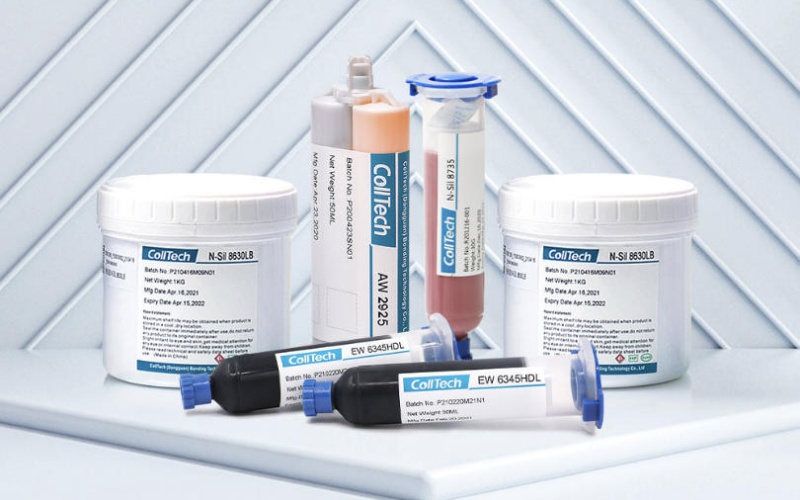
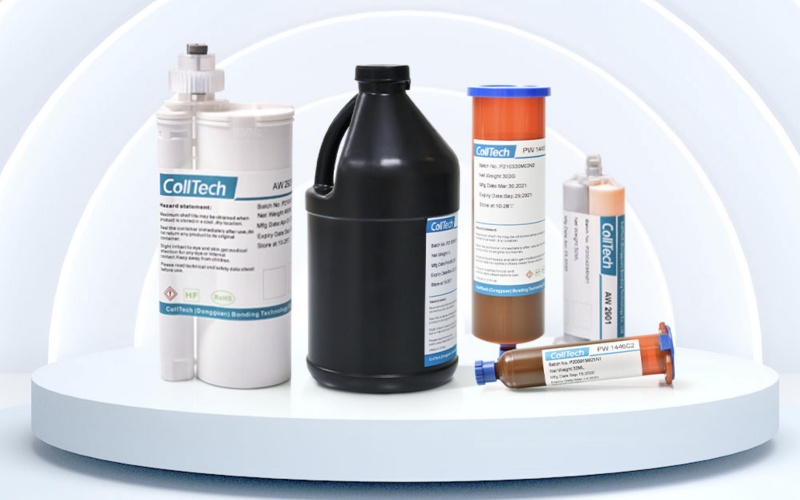
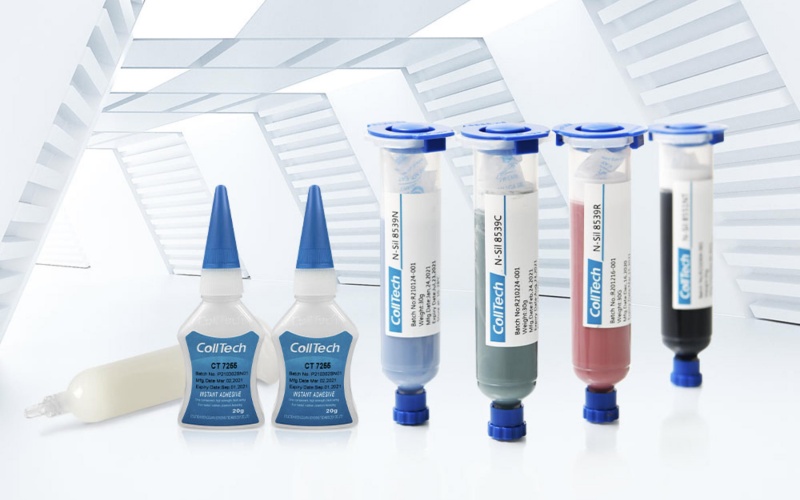
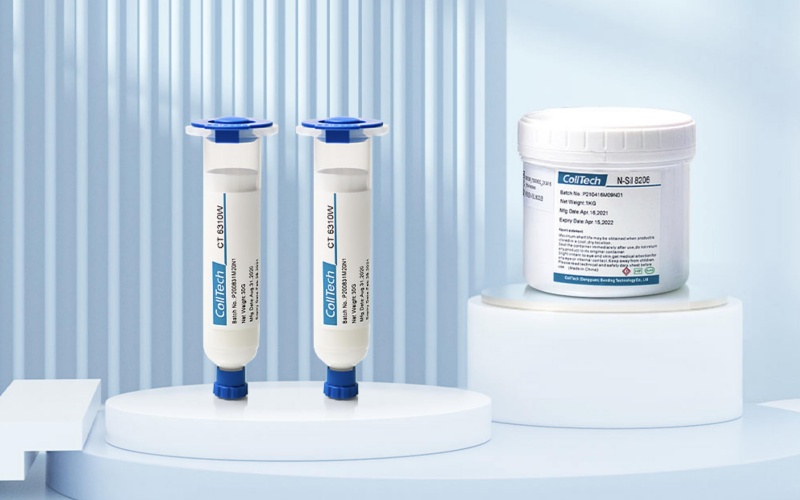

One-stop Electronic Adhesive solution provider.

Support email contact.

Professional technical guidance.

Support email contact.
leave a message
Scan to wechat :

Scan to Whatsapp :

 Product categories