Key Features:
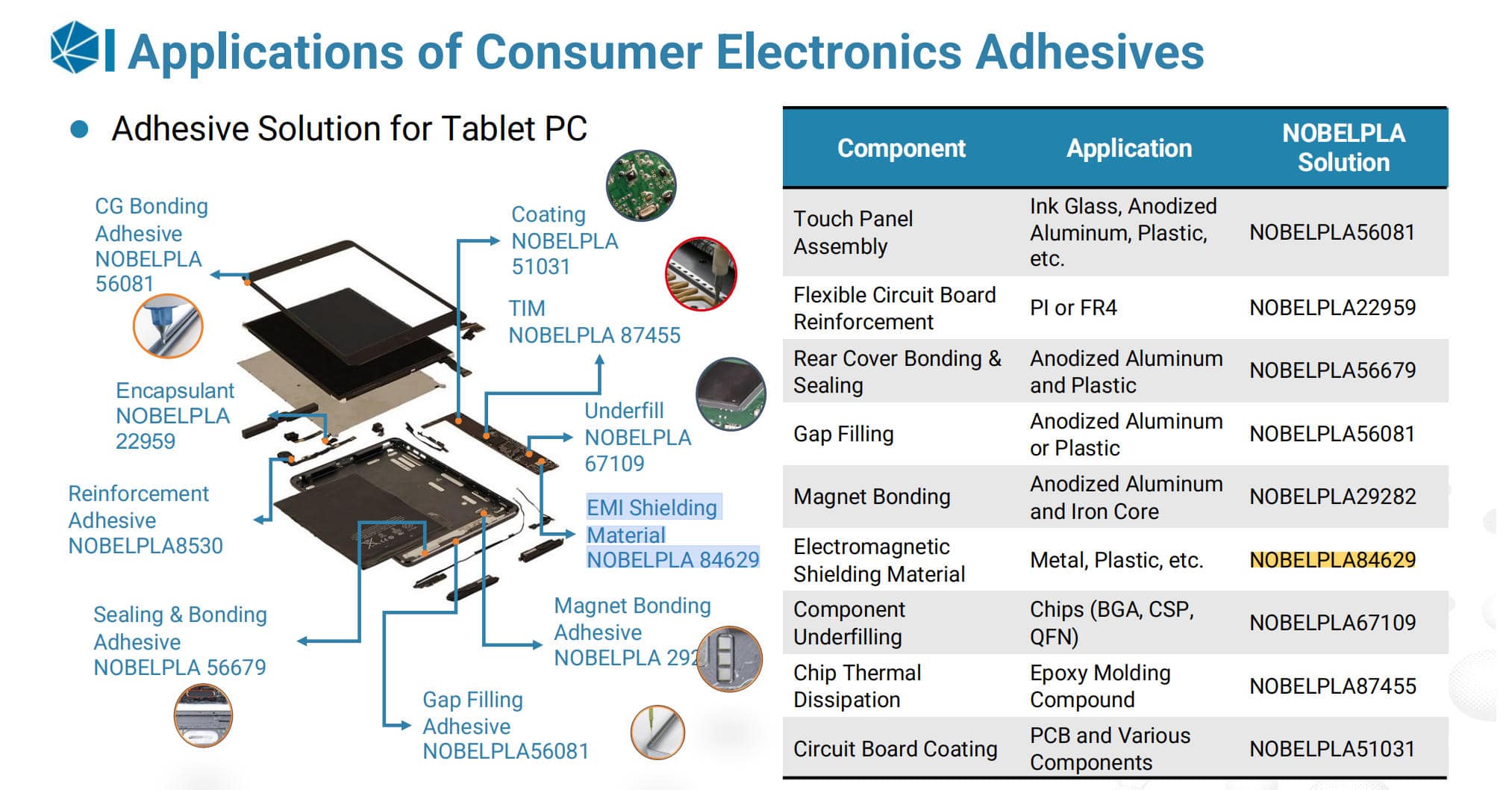
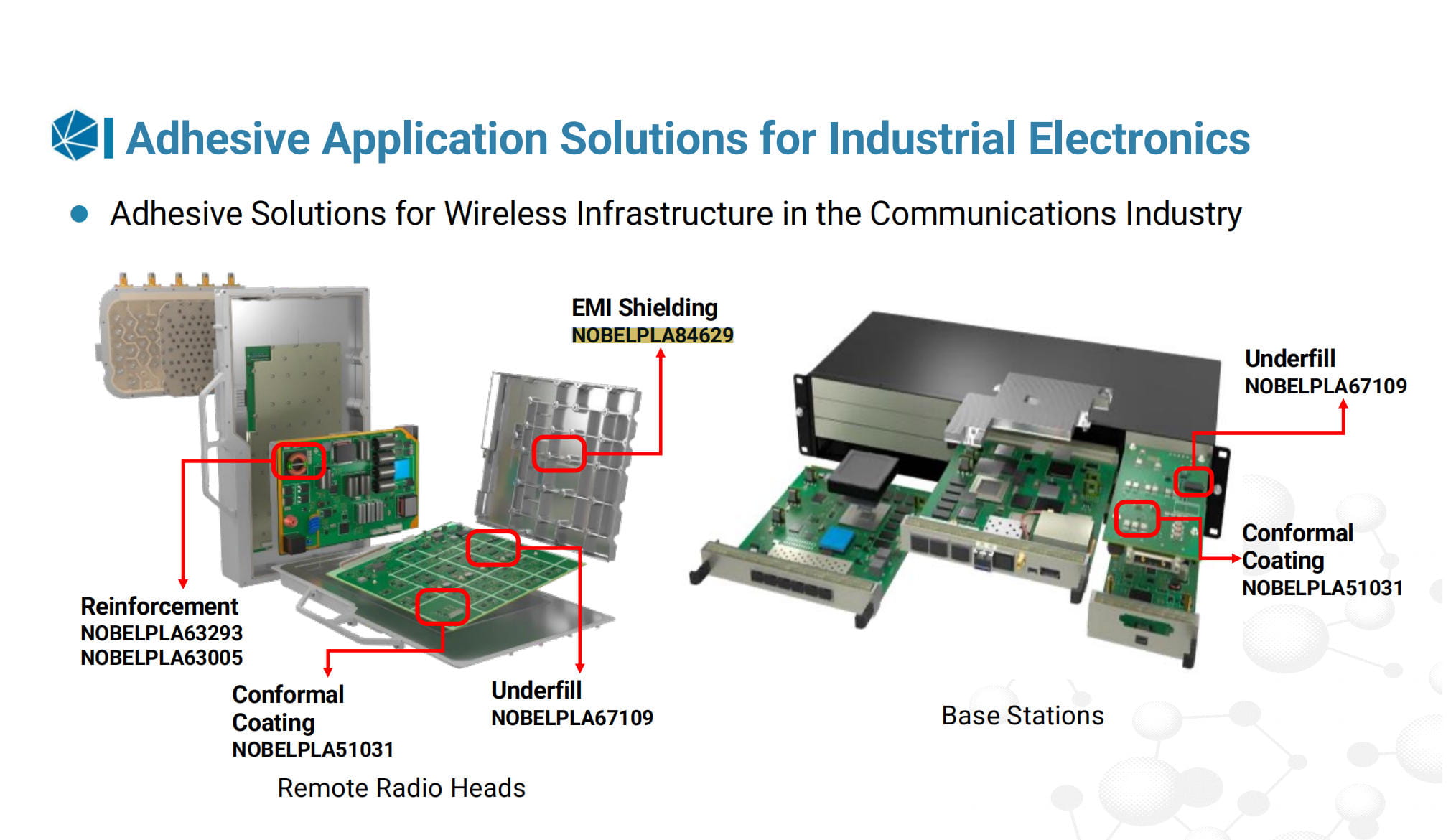
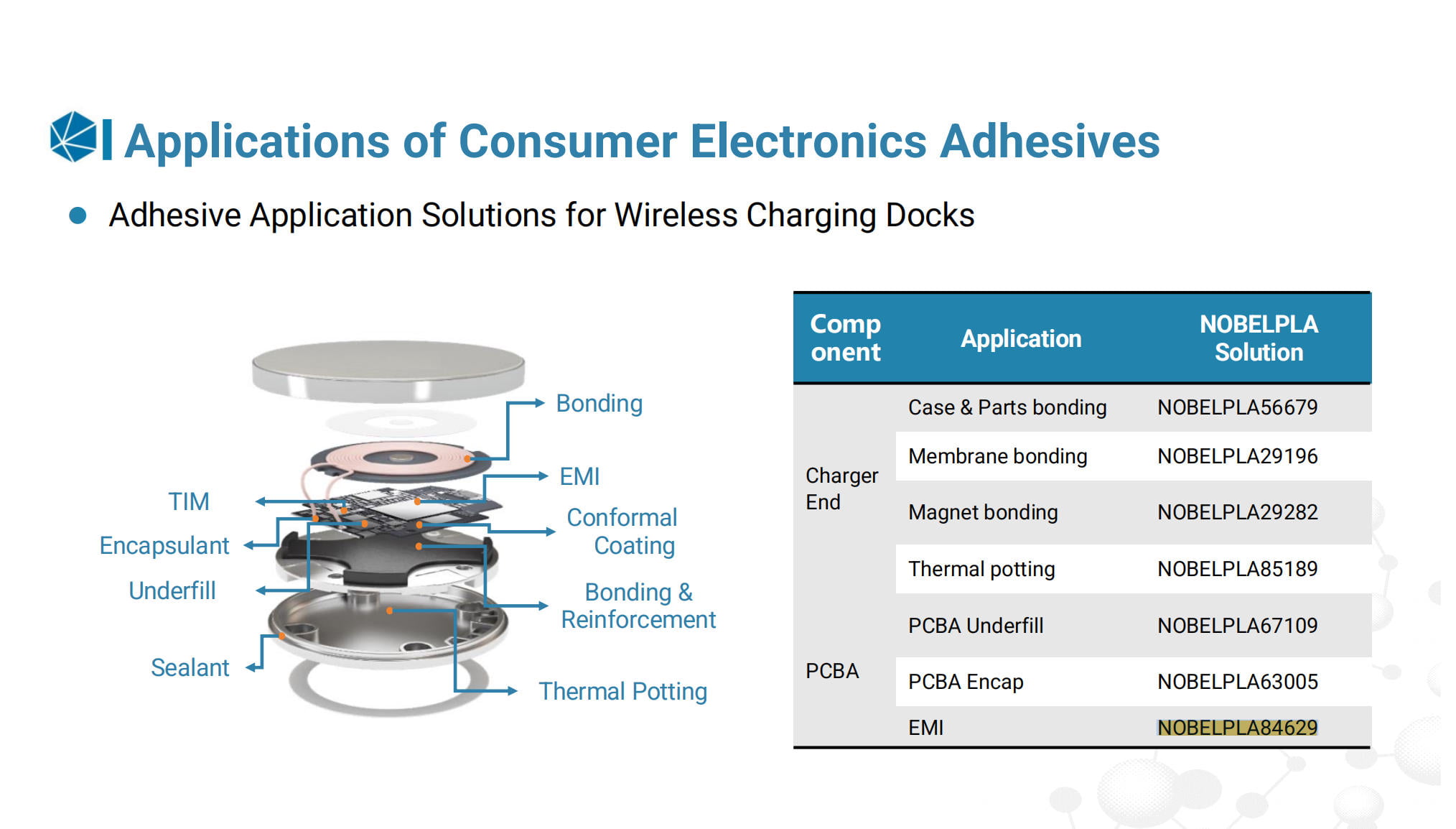
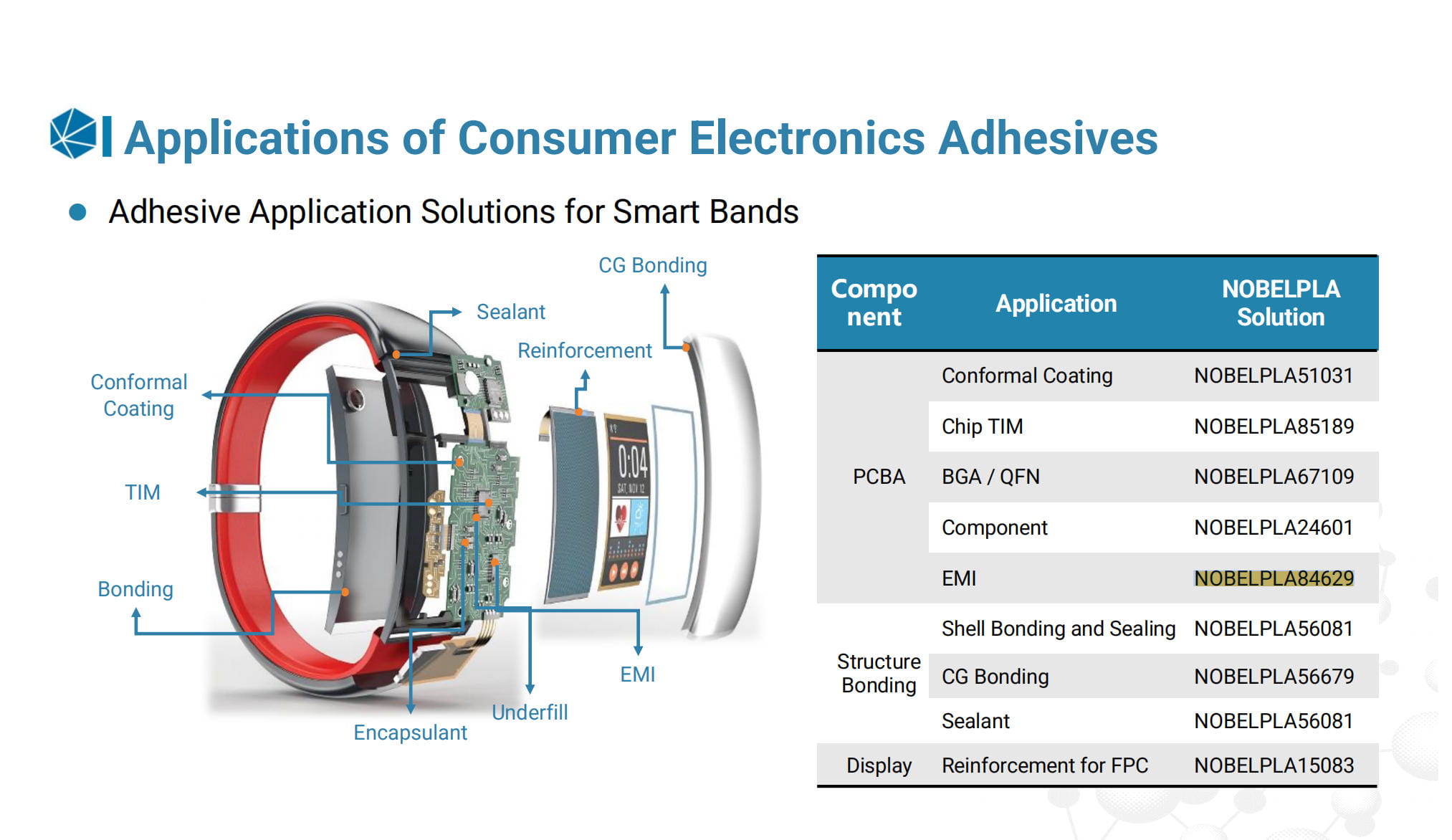
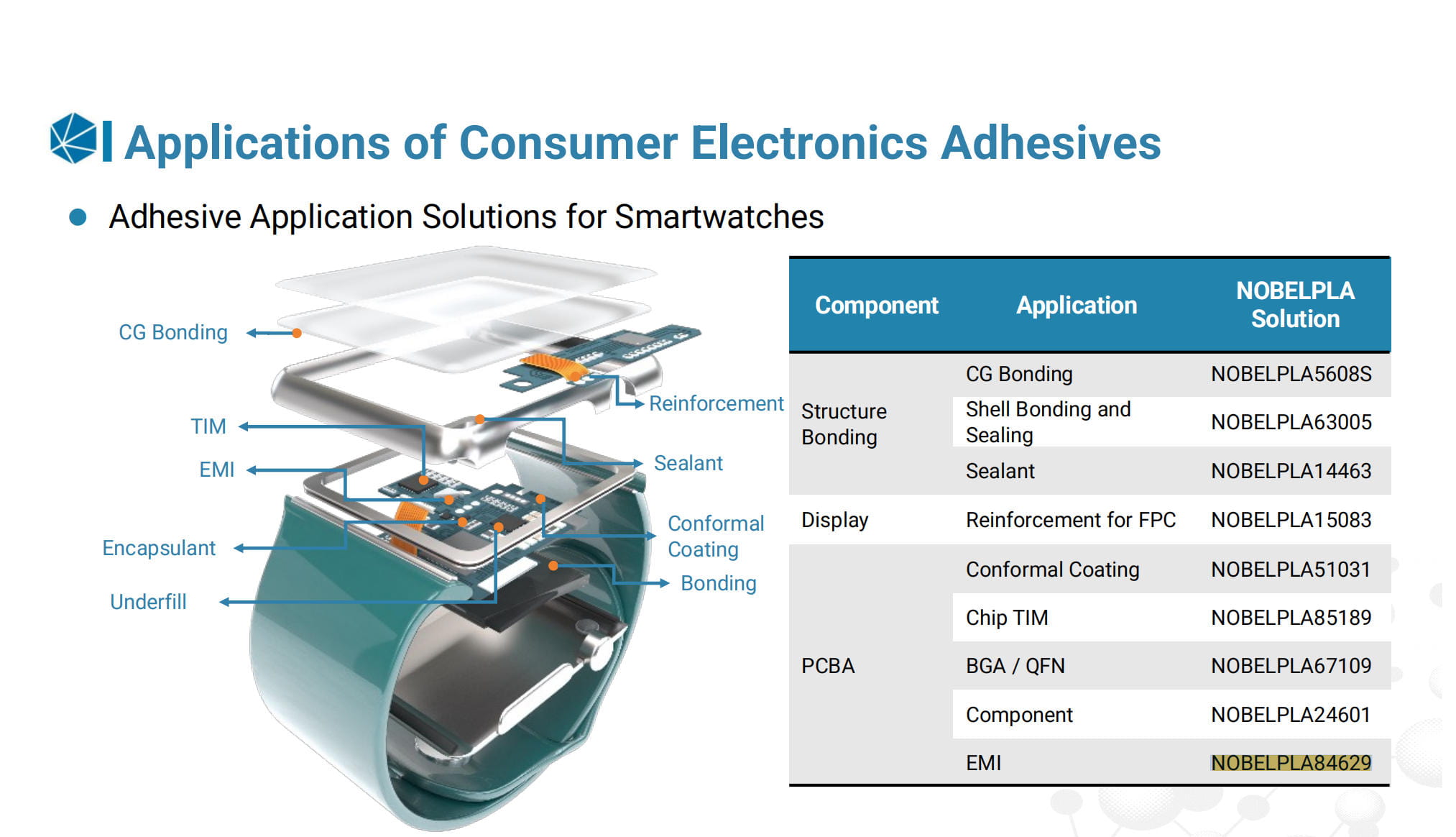
Conductive silica gel, used for electromagnetic shielding CIPG, curable at room temperature,
excellent electromagnetic shielding performance, excellent sealing
Product Name :
NOBELPLA84629Note :
CustomizableFiller :
Pure AgCuring Condition :
@RT/50%RH for 24 hoursSpecific Gravity :
2.8Volume Resistivity [Ω.cm] :
≤0.0005Adhesion [N/cm] :
>10
| Item | Specification / Description |
|---|---|
| Product Name | NOBELPLA84629 |
| Product Type | Conductive Silicone Adhesive |
| Target Application | Electromagnetic shielding for metals, plastics, and multi-material assemblies; CIPG (Chip-in-Package Glass) protection |
| Chemistry | Silicone-based |
| Curing Mechanism | Room temperature curing (RT/50% RH, 24 hours) |
| Filler | Pure silver (Ag) |
| Specific Gravity | 2.8 |
| Volume Resistivity | ≤ 0.0005 Ω·cm |
| Adhesion Strength | > 10 N/cm |
| Primary Functions | Electrically conductive bonding; EMI/RFI shielding; sealing |
| Performance Characteristics | Excellent electromagnetic shielding; strong adhesion; robust sealing properties |
| Customization | Formulation customizable to meet specific electrical, mechanical, and process requirements |
NOBELPLA84629 is a high-performance conductive silicone adhesive designed for electromagnetic shielding applications in electronic devices. Formulated with pure silver filler, the material provides outstanding electrical conductivity (volume resistivity ≤ 0.0005 Ω·cm) and reliable EMI/RFI shielding performance.
The adhesive cures at room temperature under moderate humidity conditions (RT/50% RH, 24 hours), allowing easy processing without additional heat. It offers strong adhesion (>10 N/cm) to metals, plastics, and other substrates while maintaining excellent sealing properties.
Ideal for CIPG and other precision electronic assemblies, NOBELPLA84629 delivers a combination of electrical conductivity, mechanical robustness, and process flexibility. Customizable formulations ensure optimization for specific shielding, bonding, and sealing requirements in advanced electronic applications.
We focus on high-performance thermal management materials, electronic structural adhesives, encapsulation systems, and functional conductive materials engineered for advanced electronic assemblies.
Our formulations are engineered with controlled filler morphology, optimized polymer crosslink density, and stable rheological profiles to ensure consistent thermal, electrical, and mechanical performance under long-term operational stress.
Our materials are widely deployed in power electronics, automotive ECUs, LED modules, battery management systems (BMS), industrial control units, communication hardware, and semiconductor-adjacent applications.
We provide thermal greases, thermal gap fillers, thermal gels, thermal potting compounds, and thermally conductive adhesives to address various heat dissipation architectures.
Depending on formulation strategy and filler loading, our materials are engineered to meet a broad range of thermal management requirements while maintaining mechanical integrity and process stability.
Through optimized particle packing technology and surface wetting characteristics, our materials reduce void formation and enhance surface conformity, lowering overall thermal impedance.
Yes. Most thermally conductive grades are electrically insulating, providing high dielectric strength and volume resistivity suitable for power electronic assemblies.
Yes. We supply silver-filled electrically conductive adhesives (ECA) designed for grounding, EMI shielding, and low-current interconnection applications.
Our portfolio includes heat-curing, room-temperature curing (RTV), moisture-curing, UV-curing, and dual-cure systems compatible with diverse production environments.
Yes. Rheology is engineered for precision needle dispensing, jetting systems, screen printing, and robotic inline manufacturing.
We utilize controlled filler surface treatment and anti-settling technology to maintain viscosity consistency and extend usable shelf life.
Yes. Silicone and hybrid elastomeric systems are available to mitigate stress induced by CTE mismatch in delicate assemblies.
Controlled Coefficient of Thermal Expansion (CTE) reduces thermo-mechanical fatigue during thermal cycling, minimizing cracking, delamination, and solder joint failure.
Selected formulations are engineered to maintain adhesion strength, dielectric performance, and mechanical stability under repeated temperature fluctuations.
Yes. We offer flame-retardant systems designed to meet safety requirements for electronic assemblies.
We supply epoxy and silicone encapsulants designed to protect sensitive components from moisture ingress, vibration, dust, and chemical exposure.
Yes. Our conformal coatings provide environmental protection against humidity, corrosion, and ionic contamination.
Thermal conductivity, dielectric strength, dielectric constant, volume resistivity, glass transition temperature (Tg), CTE, modulus, adhesion strength, viscosity profile, and aging performance are thoroughly assessed.
Strict raw material qualification, controlled production processes, and comprehensive quality inspection systems ensure lot traceability and reproducibility.
Yes. Our products are compliant with RoHS and REACH environmental directives.
Yes. We offer application-driven customization to optimize thermal conductivity, curing profile, flexibility, adhesion strength, and processing characteristics.
Yes. Engineering samples are available for laboratory testing, pilot production trials, and validation programs.
Yes. Our materials are designed to withstand vibration, humidity, and harsh thermal environments typical of automotive applications.
Depending on chemistry selection, materials are engineered to perform reliably across a wide operational temperature range.
Low moisture absorption formulations and dense crosslinked polymer networks help maintain dielectric stability in humid environments.
Yes. Select formulations are designed to reduce ionic contamination and volatile emissions for sensitive electronic assemblies.
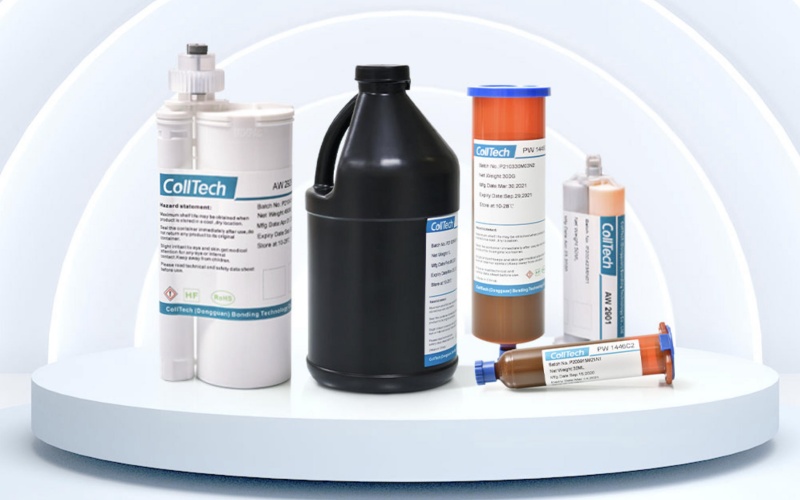
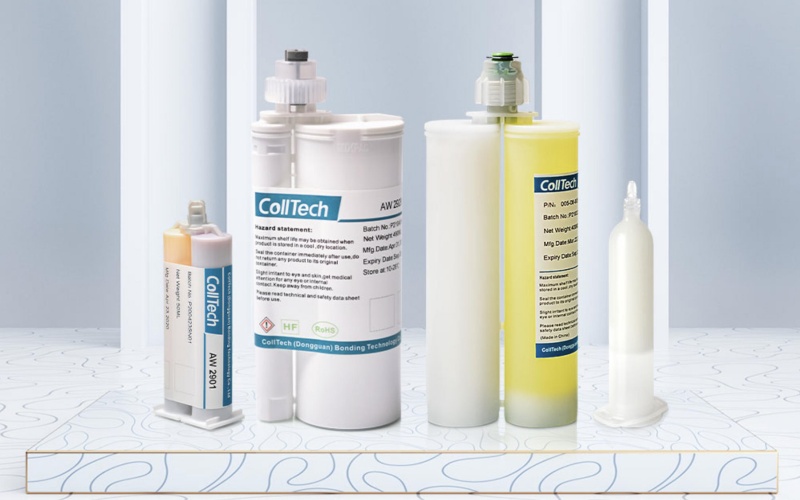
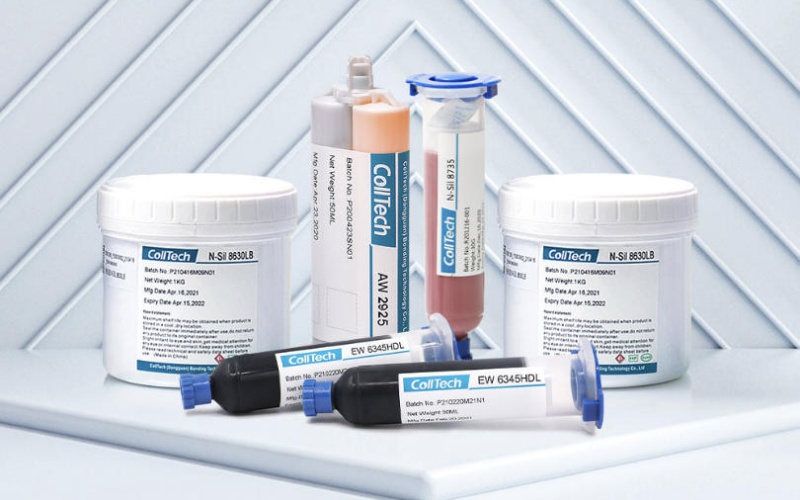
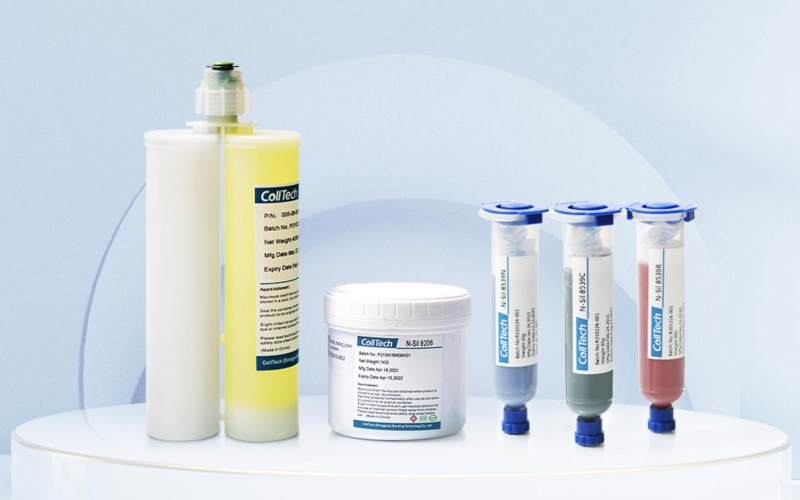
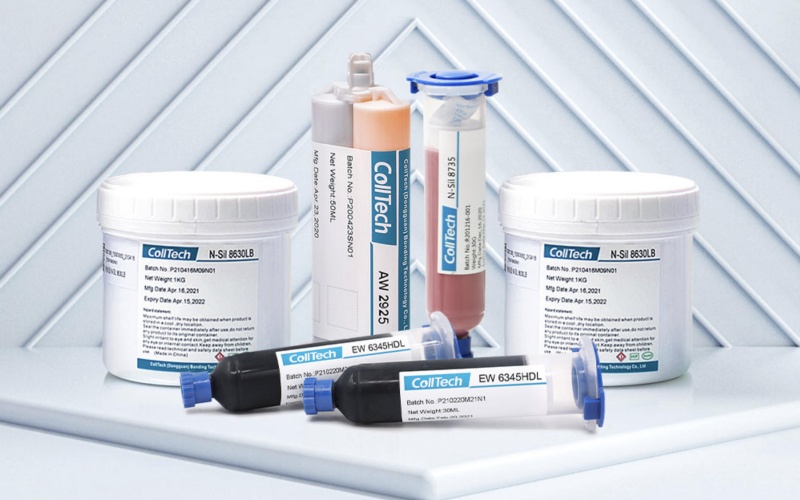
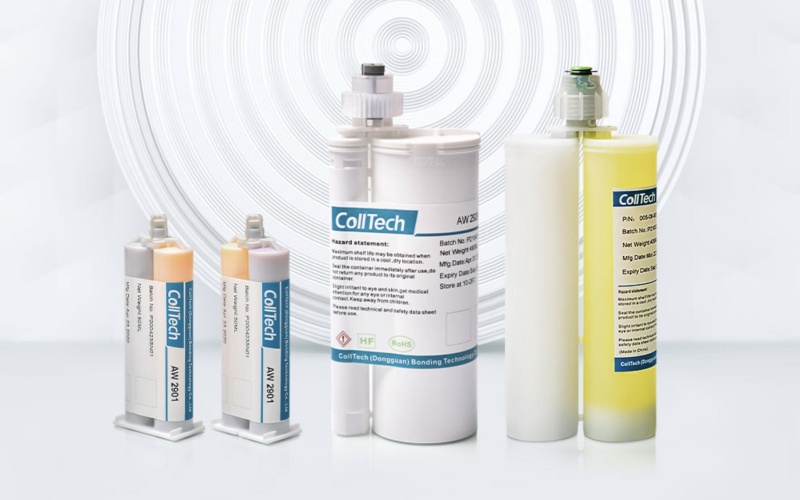
Products are available in syringes, cartridges, dual cartridges, pails, and drums for both R&D and mass production needs.
Shelf life is validated through accelerated aging tests and defined in each Technical Data Sheet (TDS) under recommended storage conditions.
Yes. We provide TDS, MSDS, application guidelines, and engineering consultation to support customer development.
Customers may contact our sales or technical teams through our official website to request samples, quotations, and application engineering support.
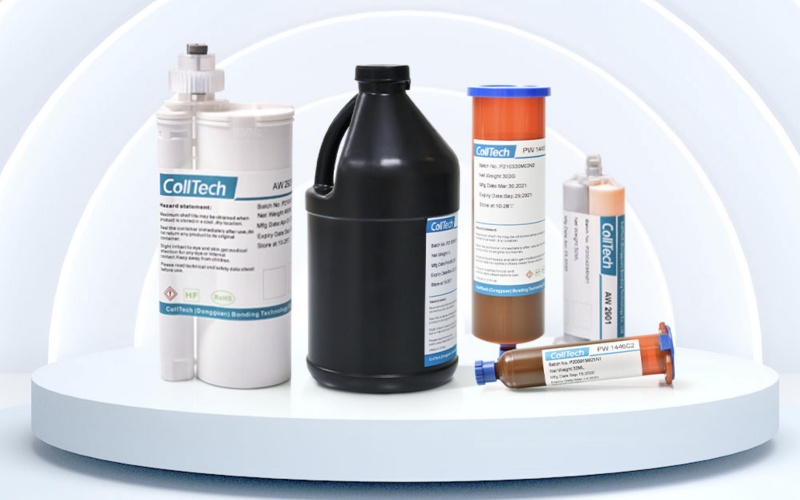
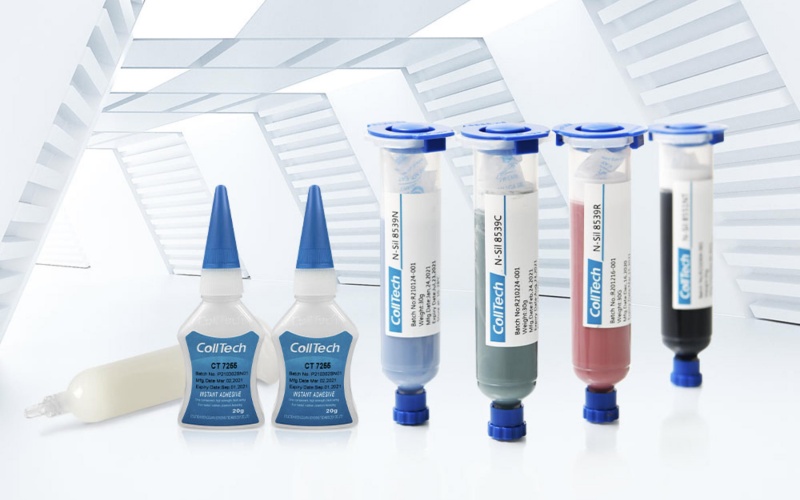
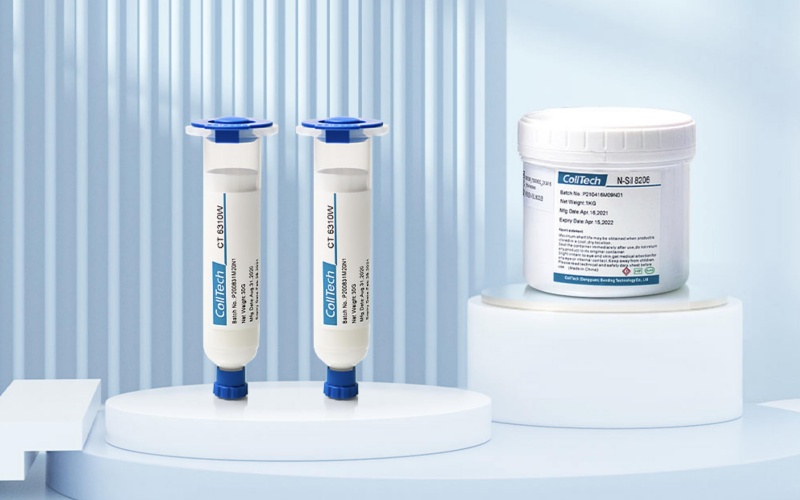
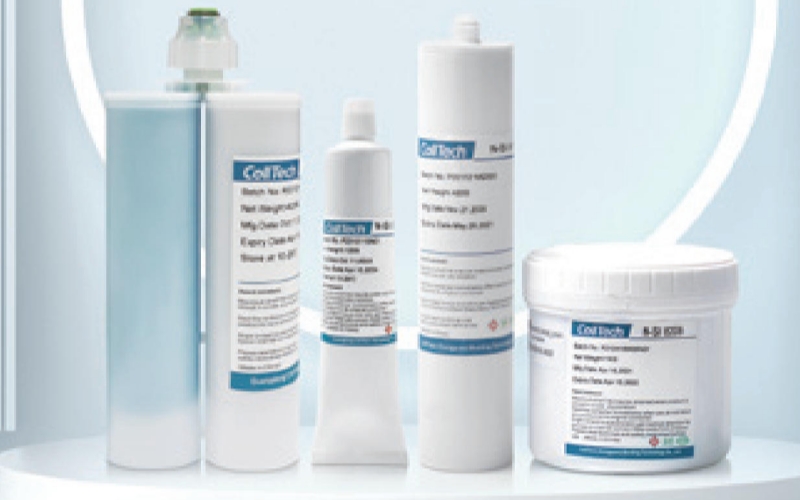
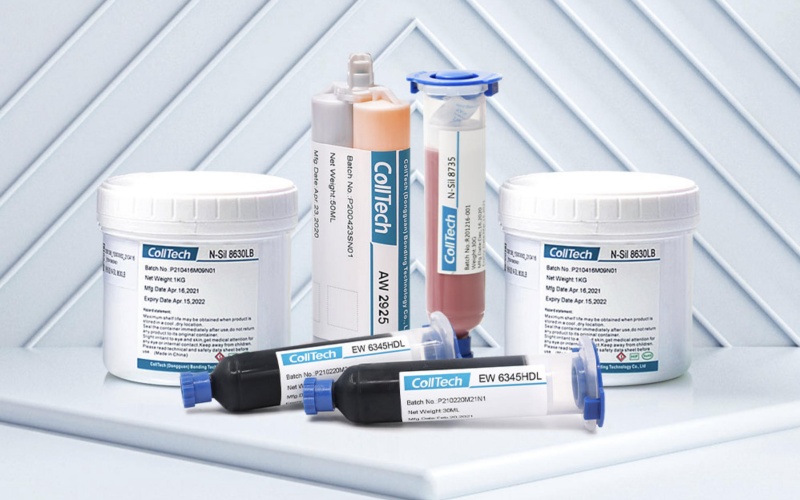
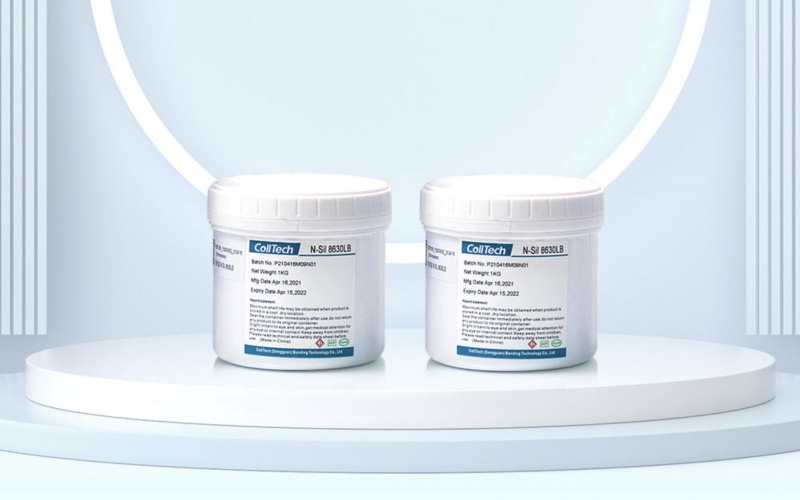
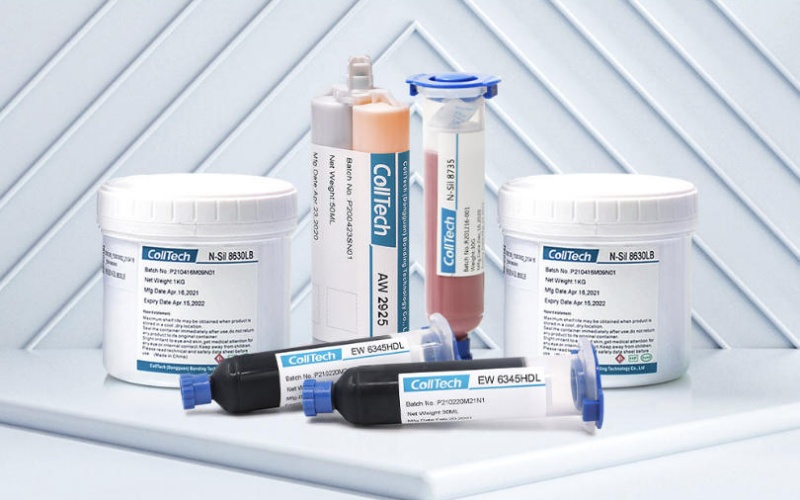

One-stop Electronic Adhesive solution provider.

Support email contact.

Professional technical guidance.

Support email contact.
leave a message
Scan to wechat :

Scan to Whatsapp :

 Product categories